
This is the first of a two-part series on Suboxone — the buprenorphine/naloxone sublingual preparation used for opioid substitution therapy. Below I’ll cover what doses are available, why naloxone is included and when it is (and isn’t) active, the drug’s core pharmacokinetic parameters (time to peak, half‑life, steady state), and the main safety considerations clinicians should watch for — especially in patients with significant liver disease.
This episode of Cracking Addiction is the first of a two-part series on Suboxone.
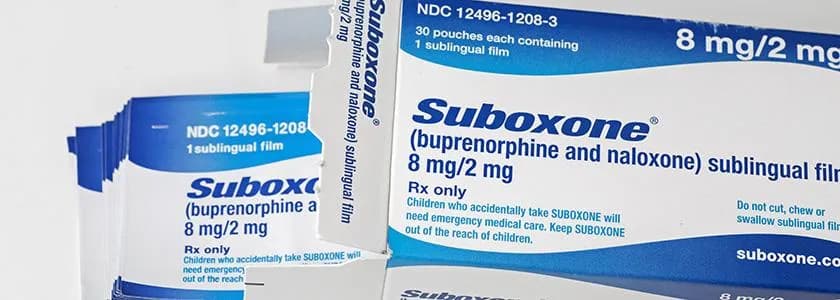
Suboxone is a combination of buprenorphine and naloxone which is administered sublingually as a form of opioid substitution therapy. Suboxone comes in two strength a 2mg buprenorphine/0.5mg naloxone and 8mg buprenorphine/2mg naloxone strength. The naloxone is not absorbed buccally or orally and if taken as intended the patient is only administered a dose of buprenorphine. Hepatic first pass metabolism prevents access of the naloxone into the systemic circulation though this can be impaired in severe liver disease such as Child Pugh C liver cirrhosis. In general, however naloxone does not become systemically active if Suboxone is taken as intended sublingually but if it is injected naloxone would antagonise the effect of any opioids within a patient’s system which could lead to an acute withdrawal syndrome.
Suboxone is an effective form of opioid substitution therapy taking between 30 minutes to four hours to reach peak plasma concentration from time of administration. Suboxone has a peak plasma concentration of 8.45ng/mL and average plasma concentrations of 2.91 ng/mL and trough plasma levels of 1.61ng/mL. It takes on average around 5-6 days to get to a steady state of buprenorphine with Suboxone. Suboxone has a half life of between 13-46 hours.
Thus one can see some of the benefits that are available in using Suboxone for opioid substitution therapy.
This episode is the first of a two‑part series on Suboxone and ties into our broader 'Cracking Addiction' coverage. Cracking Addiction episode.
For a deeper look at buprenorphine's receptor activity and clinical effects, buprenorphine pharmacology.
Given naloxone's limited oral bioavailability but possible issues in severe liver disease, consult our hepatic impairment guidance. hepatic impairment guidance.
International guidance frames buprenorphine-containing products as effective options for opioid substitution therapy. WHO guidelines on opioid dependence.
The NIDA review summarises evidence for buprenorphine's effectiveness and provides practical treatment considerations. NIDA overview of medications.