Author name: Tony Laughton

Alcohol Withdrawal Symptoms
Cracking Addiction, Global Awareness, MedHeads

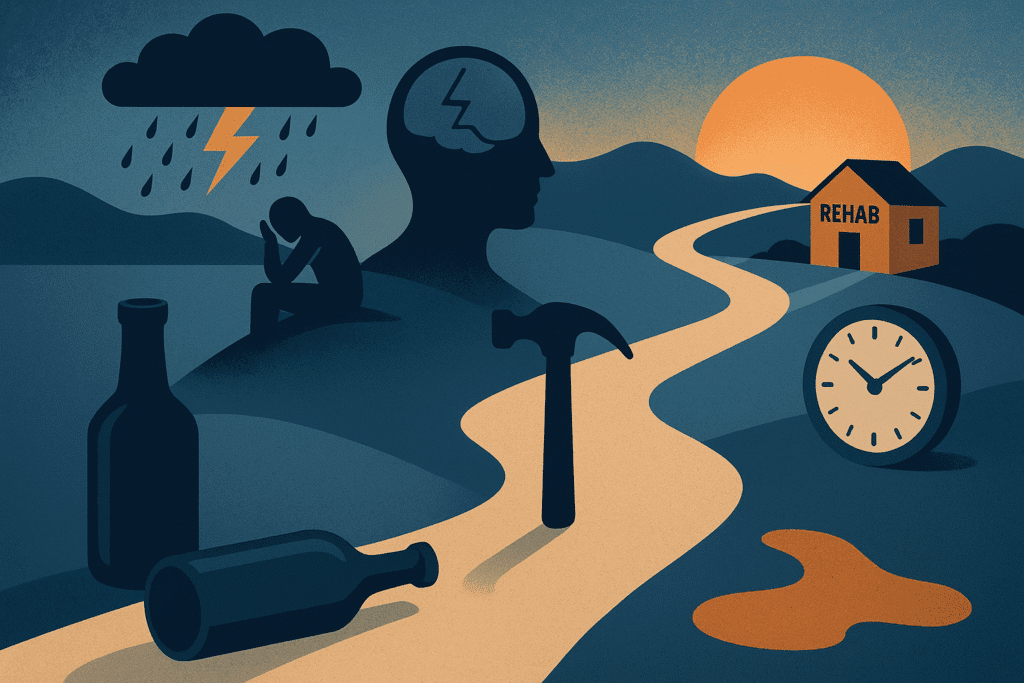
Alcohol Withdrawal Symptoms: Clinically Important Signs, Detox Options, and Best Ways to Quit Drinking

Alcohol Withdrawal Symptoms — A Practical Guide for Clinicians and Health Enthusiasts

Key Takeaways

  • Alcohol withdrawal symptoms range from mild autonomic signs to life-threatening seizures and delirium tremens.
  • Signs of alcohol addiction include loss of control, tolerance, withdrawal, and social/emotional deterioration.
  • Alcohol detox at home may suit low-risk individuals, but it carries significant risks without medical supervision.
  • Alcohol use disorder treatment spans outpatient therapy, pharmacotherapy, and inpatient care for severe cases.
  • The best ways to quit drinking combine safety, medications, targeted therapies, lifestyle changes, and sustained support.

Table of Contents

Understanding Alcohol Withdrawal Symptoms

Alcohol withdrawal symptoms are the constellation of physical and psychological changes that emerge when an individual with physiologic dependence abruptly reduces or stops alcohol intake. Recognising withdrawal informs risk stratification, need for medical supervision, and selection of medications (e.g., benzodiazepines, anticonvulsants).

Spectrum of Symptoms (mild → severe)

  • Mild: Sweating, tremor, nausea, headache, insomnia, mild anxiety.
  • Moderate: Irritability, confusion, tachycardia, dysregulated temperature.
  • Severe: Generalised seizures, hallucinations, severe agitation, delirium tremens (autonomic instability, delirium, high mortality risk).

Clinical Timeline and Course

Onset is typically 6–24 hours after the last drink; peak severity occurs at 24–72 hours. Seizure risk is highest in the first 24–48 hours, while delirium tremens typically appears 48–72 hours after cessation. Protracted symptoms (mood disturbance, sleep issues, cravings) can persist for weeks to months.

Immediate Clinical Actions

  • Triage by vital signs and mental status; transfer urgent cases with seizures or severe instability.
  • Administer thiamine and correct electrolytes early; assess for mimics (sepsis, metabolic derangements).
  • Use validated scales (e.g., CIWA-Ar) to guide dosing and monitoring.

Recognising Signs of Alcohol Addiction

Behavioral Signs

  • Drinking more or longer than intended; unsuccessful attempts to cut down.
  • Neglecting responsibilities; spending significant time obtaining, using, or recovering from alcohol.
  • Continued use despite social, legal, or health consequences.

Physical and Emotional Indicators

  • Tolerance and withdrawal symptoms (tremor, autonomic hyperactivity, seizures).
  • Changes in hygiene, weight fluctuations, and sleep disturbance.
  • Mood changes: irritability, depression, anxiety; social withdrawal and craving preoccupation.

Screening and Assessment

Employ tools like AUDIT-C or full AUDIT, structured interviews, and collateral history to detect minimisation or denial.

Exploring Alcohol Detox at Home

Home detox refers to stopping or tapering alcohol without inpatient supervision. While private and cost-effective, it poses significant risks for high-risk individuals.

Candidate Criteria

  • Mild-to-moderate dependence, no history of seizures/DTs.
  • No severe medical/psychiatric comorbidities or sedative-hypnotic dependence.
  • Stable social support and reliable monitoring.

Safety Protocol

  • Pre-detox evaluation: quantify drinks/day, prior withdrawal history, baseline vitals, labs.
  • Monitoring: Designate a sober observer, use the CIWA-Ar, and have an emergency transfer plan in place.
  • Supportive care: hydration, nutrition, thiamine, sleep hygiene, calm environment.
  • Medication strategies: clinician-supervised benzodiazepine tapers; avoid unsupervised sedatives.

When to Insist on Medical Detox

Prior severe withdrawal, heavy chronic use, autonomic instability, concurrent sedative/opioid use, pregnancy, or significant comorbidities warrant inpatient or supervised detox.

Discussing Alcohol Use Disorder Treatment Options

Levels of Care

  • Outpatient: Counselling, psychoeducation, medication (naltrexone, acamprosate, disulfiram).
  • Intensive Outpatient/Partial Hospitalisation: Frequent contact, structured programming.
  • Inpatient Rehab: 24-hour care, medical withdrawal management, psychosocial therapies.
  • Medical Detox: Hospital or specialised units with benzodiazepines/phenobarbital, thiamine, and fluids.

Medications

  • Withdrawal management: Benzodiazepines, phenobarbital, anticonvulsants.
  • Relapse prevention: Naltrexone, acamprosate, disulfiram; consider adjuncts like topiramate.

Psychosocial Therapies

CBT, motivational enhancement therapy, contingency management, and peer support (AA, SMART Recovery) improve outcomes when integrated with medical care.

Outlining the Best Ways to Quit Drinking

Actionable Steps

  • Pre-quit planning: set goals, establish a quit date, undergo a medical assessment, and secure necessary supports.
  • Environment changes: remove alcohol, avoid high-risk settings, replace routines with activities.
  • Behavioural therapies: CBT, motivational interviewing, and relapse prevention training.
  • Pharmacotherapy: naltrexone, acamprosate, disulfiram under supervision.
  • Holistic supports: exercise, nutrition (thiamine, folate), sleep hygiene, mindfulness practices.

Long-Term Relapse Prevention

Ongoing follow-up, booster therapy sessions, peer support, and contingency plans for lapses are essential for sustained recovery.

Conclusion

Early recognition of alcohol withdrawal symptoms and stratification of risk guide safe detox. Identifying signs of alcohol addiction shapes treatment planning. While alcohol detox at home may suit low-risk patients, medical oversight is preferred for those with severe dependency. A spectrum of care—combining outpatient therapy, pharmacotherapy, and inpatient services—optimises alcohol use disorder treatment. The best ways to quit drinking integrate safety, evidence-based medications, targeted behavioural therapies, lifestyle changes, and sustained social support.

Call to Action: For severe withdrawal symptoms (seizures, hallucinations, severe confusion), contact emergency services. Clinicians should use validated screening and withdrawal assessment tools, correct thiamine/electrolytes early, and refer to supervised detox when indicated. Individuals seeking guidance can consult local treatment centres or national helplines.

FAQ

1. What are the common symptoms of alcohol withdrawal?

Symptoms range from mild (tremor, sweating, insomnia) to severe (seizures, hallucinations, delirium tremens). Timing varies from 6 hours to 72 hours post-cessation.

2. Can I safely detox from alcohol at home?

Home detox may be feasible for low-risk individuals with mild dependence, no history of severe withdrawal, stable support, and clinician supervision. High-risk patients require medical detox.

3. Which medications help manage withdrawal and prevent relapse?

During acute withdrawal, benzodiazepines are first-line for seizures and delirium tremens. For relapse prevention, naltrexone, acamprosate, and disulfiram are evidence-based options.

4. What role do behavioural therapies play in recovery?

CBT, motivational interviewing, and contingency management help patients develop coping skills, address cravings, and reinforce commitment to abstinence or reduction goals.

5. How can I reduce my risk of relapse long-term?

Maintain regular follow-up, engage in peer support groups (AA, SMART Recovery), continue booster therapy sessions, and have a contingency plan for potential lapses.

“`

Ghost Organs
Global Awareness, Healthcare

On-Demand ‘Ghost Organs’ When Transplant Patients Can’t Wait

On-Demand ‘Ghost Organs’ When Transplant Patients Can’t Wait

Just when you think organ transplantation could not advance further, the development of on-demand ‘ghost organs’ emerges as a transformative solution for patients in immediate need. These bioengineered organs offer a potential pathway for reducing wait times and addressing the severe shortage of suitable donor organs. With the ability to replicate and transplant these functional organs, you gain hope for survival and improved quality of life when conventional options are insufficient.

Key Takeaways:

  • The development of on-demand “ghost organs” aims to address the shortage of transplantable organs for patients in urgent need.
  • These organs are created using 3D bioprinting technology, allowing for customization to match individual patient needs.
  • Research is focused on replicating the functionality of human organs, potentially reducing wait times and improving transplant outcomes.

The Urgency of Organ Transplants

The Growing Demand for Organs

The number of people awaiting organ transplants continues to rise at an alarming rate. As of recent statistics, over 100,000 individuals are currently on transplant waiting lists in the United States alone. With increasing rates of chronic diseases such as diabetes and kidney failure, the need for organs has outpaced the availability, leading to dire situations for many patients. You might find it shocking that, on average, 22 people die each day due to the shortage of available organs, highlighting the severity of this growing crisis.

Innovative solutions, including advancements in bioengineering and the introduction of technologies aimed at creating viable organ substitutes, are being explored, yet these developments often lag behind the urgent needs of patients. Opportunities to increase organ donation awareness have proven impactful, yet organ procurement organizations still face significant challenges, including public hesitancy and misinformation. Every organ donation can save up to eight lives, emphasizing the life-altering potential of increasing donor rates.

The Impact of Delayed Transplantation

Waiting for an organ can lead to physical deterioration, psychological stress, and in many cases, a decline in overall quality of life. Patients often face prolonged periods of suffering, with some experiencing organ failure symptoms that can significantly impair daily activities. The longer you wait for a transplant, the higher the risk of developing complications that can make your condition inoperable, leading to an increased mortality rate among those on the waiting list.

The impact of delayed transplantation extends beyond individual health; it also places a strain on healthcare systems and resources. Hospitals may end up treating advanced stages of diseases, which not only escalates costs but reduces the effectiveness of potential interventions. Research indicates that patients who wait longer than necessary often report deteriorating mental health and increased anxiety, further complicating their medical care.

The Emergence of ‘Ghost Organs’

What Are Ghost Organs?

‘Ghost organs’ refer to bioengineered structures that mimic the functions and properties of real organs, created as a solution to the pressing shortages in organ transplants. Utilising 3D printing and advanced biotechnology, these organs can potentially serve as temporary replacements until a viable donor organ becomes available. Imagine a scenario where you are on waiting lists for years, yet these ghostly counterparts offer not just a stopgap but also a new lifeline.

The concept revolves around the decellularization of actual organs, where cellular material is removed, leaving behind a scaffold that retains the organ’s shape and architecture. This process allows for the reintroduction of your own cells or stem cells, minimizing rejection issues and leading to more personalized treatments. You might visualize these ‘ghosts’ as organ scaffolds waiting to house your freshly grown cells, aligning perfectly with your biological makeup.

The Technology Behind Creation

The creation of ghost organs hinges on innovative technologies like 3D bioprinting and advanced tissue engineering. Researchers have harnessed these methods to design organs layer by layer, allowing for precise control over the structural and functional characteristics of the final product. This attention to detail significantly enhances the likelihood of functional success once implanted within your body.

3D bioprinting utilizes bio-inks made from living cells to construct tissues that can perform necessary organ functions. Your own cells can be introduced into the printed framework, resulting in a composite that resembles a natural organ in both form and function. With advancements in scaffold technology, researchers are now able to create vascular networks within these ghost organs, promoting nutrient transport and waste removal, which are necessary for maintaining health.

This innovative approach not only addresses organ shortage but also paves the way for potentially eliminating the reliance on donors altogether. By printing organs tailored to your specific biological and physical needs, broader compatibility and successful integration into your body become more achievable, opening up new frontiers in transplantation science.

Enhancing Compatibility: How ‘Ghost Organs’ Work

Mimicking Native Organ Functions

Your body relies on the intricate functions of natural organs to maintain homeostasis. Ghost organs enhance compatibility by precisely mimicking these functions through advanced biomimetic engineering. This involves replicating the structural and biochemical properties of native tissues, ensuring that artificial organs can seamlessly integrate with your existing biological systems. For instance, a ghost liver may be designed with similar cellular architecture and responsive metabolic pathways, allowing it to perform necessary detoxification processes without triggering adverse reactions.

Utilizing cutting-edge materials like decellularized tissues from donors, researchers craft ghost organs that retain the extracellular matrix, an necessary framework for cellular attachment and function. This approach significantly elevates the efficacy of transplantation, promoting better physiological responses in your body and reducing the likelihood of organ failure.

Addressing Immunological Challenges

Your immune system can pose a significant barrier when it comes to organ transplantation. Ghost organs stand out in their ability to modulate immune responses, primarily through the removal of cellular components that trigger rejection. By using decellularization techniques, these organs shed antigens that might be recognized as foreign by your immune cells, considerably decreasing the risk of hyperacute rejection.

In addition, ghost organs can be enhanced with immunomodulatory factors that actively promote tolerance. For example, small molecules or proteins can be incorporated into the organ’s architecture, encouraging immune cells to tolerate the transplanted organ instead of mounting an attack. This innovative approach means that your body is less likely to see these ghost organs as threats, paving the way for long-term integration and function.

Further research into the immunological aspects of ghost organs has demonstrated remarkable promise. Studies reveal that administering specific cytokines or utilizing targeted gene therapies can fine-tune your immune response, making ghost organs even more biocompatible. By leveraging these strategies, researchers aim to create a new class of transplantation solutions that do not just survive but thrive within your unique biological environment.

Bio Organ


The Ethical Dilemmas of On-Demand Organs

Consent and Donor Rights

In on-demand organ creation, a significant ethical question arises regarding informed consent. Donor rights must be respected, particularly in scenarios involving altered genetic material or synthetic organogenesis. If individuals are considering the donation of their biological materials for research or production purposes, ensuring they fully understand potential risks and implications is paramount. You should be aware that clear communication about how your biological materials might be used is imperative to fostering trust in the organ generation process.

Moreover, the situation complicates further when considering organ retrieval from deceased donors. If an innovative technique such as creating ‘ghost organs’ from existing biological samples is introduced, families of potential donors must also grasp the implications of their loved ones’ contributions. Respect for autonomy dictates that you must navigate the landscape of consent with utmost care, making sure that every party involved comprehensively understands their rights and choices.

Balancing Innovation with Equity

The intersection of groundbreaking organ technologies and healthcare equity demands a thorough examination of access and distribution challenges. As on-demand organs become available, disparities may arise in who benefits from these advancements. You might find that affluent individuals or regions are better positioned to access these technologies, leaving marginalized populations at a disadvantage. Ensuring that innovation does not perpetuate existing inequalities is imperative to the ethical deployment of ‘ghost organs.’

Efforts must be made to develop policies that prioritize access for all, regardless of socioeconomic status. This includes considering legislation that mandates equitable distribution, thereby protecting vulnerable groups from being left behind as technology progresses. Emphasizing fair resource allocation can bridge the gap between innovation and accessibility, fostering an inclusive healthcare environment.

Create mechanisms to monitor implementation and assess outcomes regularly in order to refine strategies aimed at equitable access. Engaging community voices in decision-making processes, along with establishing guidelines for equitable organ distribution, will ensure that the benefits of advanced organ technologies are extended to all, rather than a select few. Your role in advocating for these changes can significantly influence the landscape of future organ transplantation.

Real-World Applications: Success Stories and Breakthroughs

Case Examples of Life-Saving Transplants

Recent advancements in on-demand organ technology have already demonstrated remarkable success in clinical settings. One notable case involved a patient suffering from end-stage liver disease who was able to receive a ghost liver that was engineered specifically for their unique immunological profile. Within weeks, the patient’s liver function improved significantly, and they were able to transition off a long-term waiting list. This approach not only addressed their immediate health crisis but also showcased the potential of custom-engineered organs to reduce transplant wait times dramatically.

Additionally, a heart transplant procedure utilized a bioengineered heart that had been tailored using the recipient’s own stem cells. This innovative solution minimized the risk of rejection, which is a common issue with standard transplants. The patient experienced an unprecedented recovery, returning to normal activities within months. These case studies highlight not only the life-saving potential of ghost organs but also the viability of personalized medicine in organ transplantation.

The Future Prospects of Ghost Organ Technology

Looking ahead, the horizon for ghost organ technology is exceptionally promising. Innovations in bioprinting and tissue engineering continue to evolve, paving the way for even more complex organ systems that can cater to individual patient needs. Research indicates that by leveraging advancements in 3D bioprinting, the creation of multi-functional organs may soon become a reality, enabling the synthesis of organs with intricate vascular structures crucial for their proper function. Such development could potentially shorten wait times drastically and reduce the reliance on traditional donor organs.

The future of ghost organ technology hinges not just on scientific breakthroughs, but on ongoing collaborations between engineers, biologists, and ethicists. As prototyping methodologies and regulatory frameworks become established, the ability to produce functional ghost organs could transform the landscape of organ transplantation, enhancing patient outcomes and further diminishing ethical concerns associated with organ scarcity.

To wrap up

With these considerations, you can appreciate the significance of on-demand ‘ghost organs’ in the landscape of organ transplantation. As waiting lists continue to grow, the need for innovative solutions becomes evident. These bioprinted organs offer a promising alternative, potentially reducing the burden on patients who face lengthy waits or deterioration in health while they wait for a suitable donor. Understanding the technological advancements behind these artificial organs can empower you to support the ongoing research that seeks to make them a viable option for those in urgent need.

Furthermore, as you engage with the topic of ghost organs, it’s vital to consider the ethical implications and the importance of regulatory frameworks that ensure safety and effectiveness. Your awareness and advocacy can help shape policies that keep pace with these advancements, ensuring that the benefits of this technology are realized responsibly. In doing so, you contribute to a future where no one has to wait in agony, fundamentally changing the narrative of organ transplantation.

FAQ

Q: What are ‘ghost organs’?

A: ‘Ghost organs’ refer to bioengineered organs created using 3D printing technology and decellularization processes. They are developed to potentially replace failed organs in transplant patients who cannot wait for a suitable donor organ.

Q: How are ghost organs created?

A: Ghost organs are created using a two-step process. First, existing donor organs undergo decellularization to remove all living cells, leaving behind a scaffold. Then, this scaffold is populated with the patient’s own cells, allowing the organ to regain function and compatibility.

Q: What advantages do ghost organs offer to transplant patients?

A: Ghost organs provide several benefits, including a reduced risk of rejection since they are made from the patient’s own cells, quicker availability compared to traditional donor organs, and the potential for tailored solutions that meet individual patient needs.

Q: Are there any risks associated with ghost organ transplantation?

A: As with any medical procedure, there are risks. Potential challenges include complications during the bioengineering process, the possibility of incomplete cell integration, and the need for ongoing monitoring to ensure proper function and prevent complications.

Q: What is the current status of ghost organ research and implementation?

A: Research on ghost organs is ongoing, with numerous studies in preclinical and clinical phases. While not yet widely available, advancements continue to progress, showing promise for future applications in human transplantation.

cannabis withdrawal symptoms
Cracking Addiction, Global Awareness, MedHeads

Understanding Cannabis Withdrawal Symptoms: Timeline, Addiction Signs, and How to Quit Weed Safely

Understanding Cannabis Withdrawal Symptoms:
Timeline, Addiction Signs, and How to Quit Weed Safely

Estimated reading time: 12 minutes

Key Takeaways

Table of Contents

1. Understanding Cannabis Withdrawal

Cannabis withdrawal symptoms are a real and clinically recognised response when regular cannabis users stop or markedly reduce intake. With rising cannabis use and legalisation, more individuals will confront cessation-related effects. Clinicians and health enthusiasts need concise, actionable information about what to expect, how to recognise problematic use, and evidence-informed strategies for quitting.

This section covers:

  • Definition and mechanism of withdrawal
  • Key clinical consequences of chronic use
  • Why early recognition matters

Definition and Mechanism

  • Withdrawal is the constellation of symptoms that appear after weeks to months of frequent consumption, especially with higher-THC products.
  • Mechanistically, neuroadaptation occurs: repeated THC exposure downregulates CB1 receptors and alters endocannabinoid signalling, disrupting the brain’s homeostatic set point when THC is removed.
  • Clinically, this condition mirrors other substance-withdrawal syndromes, characterised by hyperexcitability in stress and reward pathways (HPA axis), disrupted sleep architecture, and changes in mood and cognition.

Key Clinical Consequences of Chronic Use

  • Tolerance: escalating doses needed for prior effects; a marker for dependence.
  • Altered mood regulation: blunted reward sensitivity during withdrawal, contributing to depressed mood and anhedonia.
  • Sleep dysregulation: persistent REM and slow-wave changes, leading to vivid dreams and insomnia.
  • Heightened stress reactivity: increased anxiety and irritability via upregulated stress pathways.

Why Recognition Matters

Early identification of withdrawal symptoms allows clinicians to provide anticipatory guidance, mitigate relapse risk, and tailor interventions (e.g., tapering vs. behavioral treatments).

Withdrawal symptoms are often psychological (irritability, anxiety) and may be mistaken for primary psychiatric disorders; accurate history-taking about cannabis use frequency and potency is essential.

Research sources:
Healthline,
Cleveland Clinic

2. Cannabis Withdrawal Symptoms

Symptoms span psychological and physical domains. Severity varies depending on the duration of use, dose, potency, frequency, route, comorbid conditions, and individual physiology.

Psychological Symptoms

  • Irritability and mood lability
  • Anxiety and nervousness
  • Restlessness and psychomotor agitation
  • Depressed mood and anhedonia
  • Intense drug craving
  • Cognitive symptoms (poor concentration, slowed executive function)
  • Aggression and anger (in a minority)

Physical Symptoms

  • Sleep disturbances (insomnia, vivid/unpleasant dreams)
  • Gastrointestinal (decreased appetite, nausea, abdominal discomfort)
  • Autonomic signs (headaches, sweating, chills)
  • Somatic malaise (muscle aches, mild flu-like sensations)
  • Weight/appetite changes

Timing: Symptoms typically emerge within 24–72 hours, peak on days 2–6, and resolve within 1–2 weeks; sleep/mood issues may persist longer in heavy users.

Research sources:
Healthline,
Medical News Today,
Cleveland Clinic,
PMC

3. Cannabis Withdrawal Timeline

A structured timeline guides clinical staging:

  • Stage 1 — Initial Phase (24–48 hours): mild irritability, anxiety, restlessness; cravings begin.
  • Stage 2 — Acute Phase (2–6 days): peak symptoms (mood swings, insomnia, headaches); functional impairment risk.
  • Stage 3 — Prolonged Phase (up to 3 weeks): most acute symptoms attenuate; residual sleep issues and cravings.
  • Extended Phase (4–5 weeks; less common): lingering sleep disturbances and occasional anxiety.

Clinicians should plan intensified support for days 2–6 and sustained behavioral interventions through the prolonged phase.

Research source:
American Addiction Centres

4. Cannabis Addiction Signs

Signs indicate problematic use meeting criteria for cannabis use disorder (CUD). Overlap with withdrawal includes tolerance and functional impairment.

Core Signs

  • Continued use despite negative consequences
  • Unsuccessful quit attempts
  • Cravings and strong urges
  • Tolerance
  • Withdrawal symptoms on abstinence
  • Excessive time spent on cannabis activities
  • Reduced engagement in prior activities

Red Flags & Assessment

  • Use in risky situations (driving, machinery)
  • Co-occurring psychiatric worsening (depression, anxiety, psychosis)
  • Severe functional impairment

Use tools like the Cannabis Use Disorders Identification Test (CUDIT) or DSM-5 checklist; take a focused history on frequency, potency, route, and prior quit attempts.

Research sources:
Medical News Today,
Cleveland Clinic,
American Addiction Centres

5. How to Quit Weed Safely

Individualise the plan based on use severity, coexisting conditions, readiness, and supports. Combine behavioural and medical strategies for high-risk profiles.

1. Gradual Reduction (Tapering)

  • Document baseline use and set a 10–25% weekly reduction schedule.
  • Replace high-THC products with lower-potency formulations.
  • Requires adherence to prevent compensatory increases.

2. Medical Supervision

  • Monitor vitals and mental status.
  • Consider short-term sleep aids (e.g., melatonin) or anxiolytics under guidance.
  • Coordinate care for co-occurring disorders.

3. Behavioural Supports & Psychotherapy

  • Cognitive-Behavioural Therapy (CBT)
  • Motivational Interviewing (MI)
  • Contingency Management (CM)

4. Social & Peer Support

  • Family, friends, recovery groups, accountability partners.

5. Professional Treatment Programs

  • Outpatient therapy, IOP, or inpatient care for complex cases.

Research sources:
American Addiction Centres,
Cleveland Clinic

6. Natural Remedies for Cannabis Withdrawal

Adjunctive measures to reduce symptom intensity; integrate into a comprehensive quit plan.

Lifestyle Interventions

  • Sleep hygiene: regular sleep-wake times, limit caffeine, dark, cool environment.
  • Exercise: 150 minutes/week moderate or 75 minutes/week vigorous + resistance training.
  • Nutrition: balanced meals, omega-3-rich foods, hydration.

Mindfulness & Stress Management

  • Mindfulness meditation, diaphragmatic breathing, progressive muscle relaxation.
  • Short daily sessions (10–20 minutes).

Herbal & Supplement Options

  • Melatonin (0.5–5 mg) for sleep—use under clinician guidance.
  • Valerian root, chamomile—preliminary evidence; monitor interactions.
  • Omega-3 fatty acids, magnesium for mood and muscle tension.

Safety note: Assess interactions, product quality, and contraindications. Recommend third-party tested supplements.

Research sources:
Medical News Today,
American Addiction Centres

Conclusion

Recap: Cannabis withdrawal involves psychological (irritability, anxiety, cravings) and physical (sleep disturbance, headache, GI upset) features. A defined timeline and recognition of addiction signs enable tailored interventions. Safe quitting integrates tapering, medical oversight, therapy, and support, with natural remedies as adjuncts.

Final recommendations:

  • Screen patients for use patterns and withdrawal risk.
  • Provide anticipatory guidance on the withdrawal timeline.
  • Refer to CBT, MI, and consider tapering or medical supervision for high-risk users.
  • Use natural remedies cautiously as complementary tools.

FAQ

Q: What are the most common cannabis withdrawal symptoms?

A: Irritability, anxiety, sleep disturbances, and cravings are among the most frequently reported.

Q: How long does cannabis withdrawal typically last?

A: Symptoms emerge within 24–72 hours, peak days 2–6, and often resolve within 1–2 weeks, though sleep and mood issues may persist.

Q: Is tapering more effective than quitting abruptly?

A: Gradual reduction can lessen withdrawal intensity, but requires adherence and clear goals to prevent compensatory use.

Q: Can exercise really help with withdrawal symptoms?

A: Yes—regular aerobic and resistance exercise reduces anxiety, improves mood, and supports sleep normalisation.

Q: When should I refer a patient to an addiction specialist?

A: Refer when there are multiple addiction signs, moderate-to-severe withdrawal or psychiatric comorbidity, or repeated failed quit attempts.

Walking vs Running
Lifestyle Matters

The Shocking Differences Between Walking and Running for Weight Loss

Running can be a powerful tool for burning calories and achieving your weight loss goals, but it’s not the only option. You might be surprised to discover the significant differences in effectiveness between walking and running. While running generally accelerates weight loss, it may also increase your risk of injury if not done correctly. On the other hand, walking, though slower, offers its unique benefits, including lower impact on your joints and more sustainability for long-term fitness. Understanding these differences can help you choose the best approach for your journey.

The Caloric Cost: Walking vs. Running

Energy Expenditure Dissected

When assessing the caloric cost of walking versus running, the figures can be pretty enlightening. On average, running burns approximately 50% more calories than walking in a similar time period due to the increased intensity and engagement of muscles. For instance, a person weighing 155 pounds may burn around 300 calories per hour while walking at a moderate pace, whereas that same individual could burn closer to 600 calories when running at a 10-minute mile pace. This stark contrast underscores how the mechanics of running, which incorporate higher energy demands, result in a heightened caloric deficit crucial for weight loss.

However, the caloric expenditure varies based on several factors, including your pace, terrain, and body composition. A steep incline while running could elevate your burn rate even further, while walking briskly on flat ground might decrease the difference in calorie burn. Understanding your own energy expenditure can help tailor your workouts for maximum effectiveness, whether you prefer the more sustainable rhythm of walking or the intensity of running.

The Role of Intensity in Weight Loss

Intensity plays a significant role in how effectively you can achieve weight loss through either walking or running. Higher intensity workouts, such as running, trigger a greater post-exercise calorie burn, known as the afterburn effect or excess post-exercise oxygen consumption (EPOC). This phenomenon means that you continue to burn calories even after your workout has ended, amplifying the overall impact on your weight loss journey. In contrast, while walking may not result in the same level of afterburn, it can still be effective, particularly when performed for longer durations to accumulate substantial calorie burn.

Additionally, incorporating intervals into your walking routine, such as alternating between periods of brisk walking and slower recovery, can elevate your intensity and subsequently increase your caloric burn. For example, a study found that participants who varied their walking speed could burn up to 20% more calories compared to maintaining a steady pace. Thus, adjusting the intensity of your workout—whether it’s through running or varying walking speeds—will enrich your weight loss efforts.

Time Efficiency: More Results with Running?

Regarding achieving weight loss goals, time efficiency can play a vital role. Running often emerges as the faster route to burning calories compared to walking. In a typical timeframe, you can cover more ground and incinerate more calories, making it a practical choice for busy individuals looking to maximise their efforts. This means that, if you’re pressed for time, your workouts might yield better results when you choose to run instead of walk.

Minutes vs. Miles: A Comparative Analysis

Activity | Calories Burned (Per 30 Minutes)*
— | —
Walking (3.5 mph) | 150 calories
Running (5 mph) | 300 calories
Running (6 mph) | 400 calories

In this table, you can see that a 30-minute session of walking at a moderate pace burns significantly fewer calories than running. For instance, at a brisk 3.5 mph, you’ll expend around 150 calories, while a run at five mph doubles that figure to about 300. If you increase your pace to 6 mph, you can burn up to 400 calories in the same timeframe. This apparent difference illustrates how running can be more effective for your weight loss efforts when time is of the essence.

Running vs Walking

Making Every Minute Count

To get the most from your limited workout time, consider not just speed, but intensity as well. Running allows you to enter a higher heart rate zone, promoting greater fat burning and cardiovascular conditioning in shorter spans. While walking offers numerous benefits, including lower impact on joints and consistency, running’s higher caloric burn can help expedite your weight loss journey.

The key to making every minute count lies in understanding how to structure your running sessions effectively. Incorporating interval training, which alternates between periods of high-intensity running and lower-intensity recovery, can further enhance fat loss. For example, sprinting for 1 minute followed by 2 minutes of jogging allows you to significantly raise your metabolic rate and burn more calories both during and after your workout. Thus, focusing on how you use your time can lead to better results and improved fitness levels.

Metabolic Afterburn: Rethinking the Aftermath

Engaging in intense physical activities like running can lead to a phenomenon known as excess post-exercise oxygen consumption (EPOC), which plays a critical role in the weight loss equation. After a vigorous workout, your body continues to consume more oxygen than it typically would at rest, effectively revving up your metabolism. This increased metabolic rate can last for several hours, sometimes even up to 24 hours post-exercise, leading to additional calorie burn. Studies indicate that high-intensity workouts can push your EPOC levels significantly higher than those from lower-intensity activities like walking. This means that if you’re aiming for maximum calorie burn, running might have the edge due to the intensity of the effort.

The Science Behind EPOC (Excess Post-Exercise Oxygen Consumption)

The science of EPOC centres around the need for your body to restore itself to its pre-exercise state. During high-intensity activity, muscle tissues sustain micro-tears, and the body works overtime to repair them, consuming additional oxygen in the process. This recovery phase is imperative as it not only addresses the immediate impact of the workout but also contributes to improved muscle strength over time. For those who regularly engage in running compared to walking, this recovery can lead to a more pronounced calorie burn, as evidenced by research showing that runners can experience a substantially elevated metabolic rate long after they’ve completed their run.

Long-Term Effects on Resting Metabolism

Your resting metabolism—the number of calories your body burns at rest—can be influenced by the type and intensity of exercises you engage in. Research indicates that individuals who incorporate regular high-intensity running into their exercise regimen show a significant boost in their resting metabolic rate over time, compared to those who opt for lower-intensity workouts like walking. The development of lean muscle mass from running can contribute dramatically to this increase, as muscle requires more energy to maintain compared to fat tissue.

The advantages of running extend well beyond immediate calorie expenditure. Over time, the increase in muscle mass from consistent high-intensity workouts enhances your resting metabolic rate, allowing you to burn more calories even when you’re not exercising. This increased calorie expenditure can contribute significantly to long-term weight management efforts. Runners often find that they can enjoy greater flexibility with food choices and maintain better control over body weight due to the sustained benefits of a higher resting metabolism. By incorporating running into your fitness routine, you can establish a higher metabolic baseline, which significantly aids your weight loss efforts.

Psychological Engagement: The Motivation Factor

Mindset Shifts in Different Activities

Your mindset plays a pivotal role in how you perceive and engage with different forms of exercise. Walking often induces a more contemplative and relaxed state, making it easier for some to incorporate it into their daily lives without the pressure of a high-intensity workout. You might find yourself lost in thought or enjoying your surroundings, which can create a positive and stress-relieving experience. In contrast, running typically demands a more assertive mental approach, often requiring you to push through discomfort and fatigue. This focus can elevate your sense of accomplishment, but it can also foster feelings of dread or anxiety for those who view it purely as a workout.

Furthermore, the distinct nature of these activities can elicit different emotional responses. If you associate running with a race or a challenging workout, this can internally set a tone of competition that may either motivate you or become a daunting barrier. Conversely, walking can feel like a low-stakes endeavour that encourages long-term sustainability. The *mindset shift* from seeing movement as a chore to embracing it as an integral part of your life can be the key to finding joy in your fitness journey.

The Impact of Routine and Choice on Sustainability

Routines around walking or running can shape your long-term engagement significantly. Choosing to walk more often can seamlessly integrate into your daily life, like taking the stairs instead of the elevator or opting for a stroll during your lunch break. This organic incorporation can enhance your likelihood of sticking with it. Running requires a more deliberate decision-making process, often involving scheduled workouts or specific training programs. This structured approach can lead to burnout if you’re not genuinely enjoying the activity.

Consider the flexibility that *walking* offers compared to running. You can choose to walk at any pace, explore different routes, or even turn a walk into a social activity. On the other hand, running may require specific gear, preparation time, and ideal conditions, which can limit your engagement. The ease of access to walking supports consistency, and that consistency is vital for long-term weight-loss success. It’s not just about which activity burns more calories in a single session; it’s about what you can consistently maintain. A sustainable weight-loss strategy is built on habits you can enjoy and integrate into your life, not just on rigorous workouts that become tedious over time.

Health Risks and Considerations: The Trade-offs

Injury Risks: Walking Vs Running

Participating in any form of exercise comes with inherent risks, but walking and running carry different injury profiles. Running, while a more effective calorie-burning exercise, places greater stress on your muscles, tendons, and joints. Common injuries such as shin splints, runner’s knee, and Achilles tendinopathy frequently result from the repetitive impact and intensity associated with running. For instance, studies have shown that roughly 50% of runners experience some form of injury each year, which can lead to extended periods of inactivity. On the other hand, walking tends to be much gentler on your body, significantly lowering the risk of injuries. The softer impact of walking means that your body can typically absorb the shock more effectively.

Your fitness level and preexisting conditions play a significant role in determining your risk. Injury can strike even the most seasoned runners, particularly if they increase their mileage too quickly or neglect proper warm-ups. If you’re starting out, sticking to walking can serve as a low-impact alternative that builds endurance over time while minimising your risk of injury.

Long-Term Effects on Joints and Bone Health

Over time, the way you choose to exercise can lead to varied outcomes regarding your joints and overall bone health. High-impact activities like running can be beneficial for increasing bone density, particularly in weight-bearing bones. However, this comes with a caveat—consistent high-impact forces can accelerate wear and tear on your joints, potentially leading to conditions such as osteoarthritis, especially if you’re not following proper training protocols. Research indicates that individuals who run for years without adequate form or recovery strategies might experience joint issues later in life. Therefore, moderation and technique become key players in enjoying long-term bone health.

Conversely, walking is often heralded for its joint-friendly properties and serves as an effective means of promoting mobility without placing undue stress on your limbs. Since this low-impact exercise requires fewer resources from your joints, it might allow for healthier sustained activity over time. For many, incorporating both activities can create a balanced approach, leveraging the benefits of each while mitigating their risks.

In considering the long-term effects of both activities, research suggests that people who frequently participate in moderate weight-bearing activities, like walking, tend to enjoy good joint health as they age. Not only do they gain fitness rewards without engaging in the higher risks associated with intense running, but they also contribute positively to maintaining bone density. Balancing your exercise regimen with walking can support joint integrity and reduce the likelihood of developing chronic conditions.

Final Words

From above, it becomes clear that both walking and running play significant roles in weight loss, each offering unique benefits that cater to different fitness levels and goals. If you are looking for a lower-impact exercise that you can incorporate into your daily routine, walking might be your best bet. On the other hand, if your focus is on maximising calorie burn and engaging in a more intense workout, running could be the more effective choice. Ultimately, the decision hinges on your personal preferences, physical condition, and how each activity aligns with your lifestyle.

It’s essential to assess how you feel during and after each exercise, as well as how sustainable your chosen method is in the long run. The balance between enjoyment and effectiveness is vital for long-term adherence to your fitness regimen. As you navigate your weight loss journey, you might find it beneficial to explore the insights shared by others in the community. For further discussion on the effectiveness of walking versus running for fat loss, you can check out resources like Walking vs Running for fat loss: r/Fitness.

Mental Burnout
Healthcare, Lifestyle Matters, MedHeads

7 Signs You’re Experiencing Mental Burnout Right Now

Over time, you may find yourself feeling increasingly drained and overwhelmed, signalling a state of mental burnout that demands your attention. This post aims to help you identify 7 key signs that you might be experiencing this exhausting condition. By recognising these symptoms early, you can take steps to protect your mental health and regain your energy and passion for life. Don’t let burnout take over; understanding its signs is the first step toward recovery.

The First Signal: Chronic Fatigue That Never Quits

Physical manifestations of mental exhaustion

Chronic fatigue serves as one of the most prominent indicators of mental burnout. You may find yourself waking up each morning feeling as though you have not slept at all, even after a solid night’s rest. This relentless exhaustion can permeate every aspect of your life, impacting your ability to function both physically and mentally. Symptoms such as persistent headaches, muscle tension, and an overwhelming sense of lethargy often accompany this state, making even simple tasks feel daunting. Your body necessarily becomes a vessel of fatigue, and you struggle with the motivation to perform daily routines.

Additionally, this physical manifestation can often lead to significant disruptions in your immune system. It may result in frequent colds or illnesses, as your body’s defences weaken under the continuous strain of exhaustion. As your physical health declines, the cycle of fatigue becomes increasingly challenging to break, creating a feedback loop that perpetuates the feeling of burnout.

The impact of fatigue on daily tasks

Fatigue doesn’t just affect your energy levels; it has a profound impact on your daily tasks and responsibilities. You may find it challenging to focus on your work, which can lead to decreased productivity and increased mistakes. Tasks that once felt simple now require extraordinary effort to complete, often leaving you feeling even more drained. You might find yourself zoning out in meetings or struggling to keep up with emails, which can lead to feelings of frustration and inadequacy.

This fatigue often extends beyond work responsibilities, encroaching on your personal life as well. Chores that usually take a few minutes can stretch into hours, while social interactions become overwhelming. The joy you once felt in engaging with friends or pursuing hobbies dims as exhaustion takes hold, making it easy to isolate yourself. This not only deepens the sense of burnout but can also lead to strained relationships, creating further emotional barriers to your mental well-being.

The Cognitive Fog: When Focus Eludes You

Understanding the effects of burnout on concentration

Experiencing mental burnout often leads to an overwhelming cognitive fog, where thoughts are hazy, and your ability to focus diminishes drastically. This cloudiness can stem from prolonged stress that drains your mental energy, making even the simplest tasks feel monumental. Research suggests that individuals suffering from burnout may exhibit significant reductions in cognitive performance, with studies indicating that sustained stress can impact their working memory, decision-making skills, and overall cognitive flexibility. You may find yourself needing to reread the same paragraph multiple times or struggling to maintain your train of thought as you juggle responsibilities, which can exacerbate feelings of frustration and inadequacy.

Every day scenarios where cognitive impairment arises

Cognitive impairment manifests in various everyday scenarios, often leaving you feeling overwhelmed at home or work. Simple tasks like answering emails or following a recipe might seem daunting, as if your mind is racing yet stuck in place. You may struggle during meetings, unable to retain information or contribute effectively, which can result in a vicious cycle of self-doubt. For instance, you may find it challenging to focus on a conversation, which can result in missed details and miscommunication, ultimately creating additional stress in both your personal and professional relationships.

Situations where cognitive fog becomes particularly evident include trying to meet deadlines or multitasking. For example, if you’re crunching numbers for a report while simultaneously attending a conference call, your mind may feel pulled in different directions, making it increasingly difficult to synthesise information. Even engaging in leisurely activities like reading a book or watching a movie can become a chore, as your focus drifts away before the plot even begins to develop. All these experiences reinforce the impact of mental burnout, highlighting the pressing need to address your cognitive well-being.

Irritability Unleashed: The Emotional Toll

Identifying heightened emotional responses

Your emotions might seem like they’re on a rollercoaster ride, swinging from mild annoyance to outright rage in the blink of an eye. This heightened state of irritability often manifests in disproportionate reactions to minor inconveniences, such as a coworker interrupting you during a meeting or a delayed response from a peer. You may find yourself feeling overwhelmed by your emotions, wondering why even minor frustrations provoke such a strong response. Your internal reservoir, which once absorbed stressors, has likely run dry, making these irritabilities feel not only justified but also dominating.

Additionally, you may notice that you’re lashing out unintentionally at friends or family. Uncharacteristic bursts of anger or frustration towards loved ones can be particularly jarring, leaving you to question your patience and emotional resilience. This is often a symptom of mental burnout, where the lines between professional frustrations and personal life become blurred, resulting in emotional outbursts that surprise even you.

The dynamics of workplace interactions under stress

In high-stress situations, your interactions at work undergo significant changes. The slightest miscommunication can ignite fiery exchanges, as burnout alters your capacity to engage constructively. For instance, when your colleague misses a deadline, instead of collaborating to find a solution, you may react sharply, berating them for their lack of accountability. These patterns can create a toxic environment, intensifying conflicts that disrupt teamwork and diminish productivity.

Over time, these workplace relationships may fracture under the weight of your irritability. Trust erodes, collaboration falters, and the workplace atmosphere can become suffocating. This chain reaction further exacerbates your sense of isolation, as you begin to feel misunderstood or less supported by your colleagues. Left unchecked, this dynamic not only impacts your performance but can also affect team morale, making it vital to identify and address these emotional responses before they spiral.

The Dissociation Dilemma: Disconnect from Reality

Recognising feelings of detachment and numbness

Days may blend into one another, leaving you feeling as though you are merely a spectator of your own life. You may find yourself unable to fully engage in activities you once enjoyed, as an overwhelming sense of disconnection dulls your passions. This numbness can manifest physically, causing you to feel as if you are moving through a fog. Emotional responses may feel muted, leaving you wondering where your enthusiasm or joy has gone. As thoughts drift and your connection to the environment lessens, it becomes increasingly challenging to focus or find motivation, exacerbating feelings of isolation.

While dissociation can sometimes serve as a temporary coping mechanism, it often signals a deeper issue stemming from chronic stress and burnout. Many people experience this state, allowing them to navigate difficult days while being detached from reality. Nonetheless, this constant detachment can create a feedback loop where the longer you remain in this state, the more difficult it becomes to return to a sense of normalcy.

The implications of disengagement on personal relationships

The impact of disengagement can ripple through your relationships, often leaving loved ones feeling neglected or hurt. They may become concerned about your well-being as they sense your emotional distance and lack of participation, which can lead to misunderstandings and resentment. This withdrawal could lead to conflicts, as others may perceive your behaviour as indifference, rather than a reflection of your internal struggles.

Simply being present isn’t enough to maintain strong connections. To foster meaningful relationships, there needs to be emotional investment and active communication. Given that burnout often leads you to withdraw, this disengagement can create a chasm between you and those closest to you. Your friends and family might think they are losing you, and weariness can erode the foundation of trust and support that are essential for personal bonds. Identifying these patterns and working towards addressing them can pave the way for deeper reconnections and mutual understanding.

Productivity Plummets: The Paradox of Stress

How burnout affects performance quality and quantity

As stress mounts, you may notice a sharp drop in your overall productivity. Tasks that once seemed manageable now feel overwhelming and burdensome. This paradox occurs because mental burnout can cloud your focus and diminish your ability to concentrate, making it difficult to complete even the simplest of tasks. Research indicates that workers experiencing burnout show a decrease in performance quality by up to 40%, revealing just how detrimental this state can be to your efficiency and output. The pressure to perform can turn your work life into a cycle of anxiety and dread, making it feel impossible to meet the expectations set before you.

Moreover, the decline in both quality and quantity of your work isn’t just a personal inconvenience; it can have significant repercussions on your career. Unfinished projects and poorly executed tasks can lead to missed deadlines, failing grades, or unfavourable performance reviews—all of which can further exacerbate feelings of inadequacy and stress. This downward spiral highlights a troubling truth: the more you struggle to perform under pressure, the more pressure you feel, creating an exhausting loop that is hard to escape.

Signs of procrastination and avoidance behaviours

When burnout sets in, procrastination often becomes a familiar companion. You might find yourself delaying important tasks, opting instead for less demanding, more enjoyable activities that provide a fleeting sense of satisfaction but ultimately derail your to-do list. That project you once tackled with enthusiasm now sits untouched while you scroll through social media or binge-watch another episode of your favourite series. Struggling to start the simplest of tasks is a common sign of this shift, underscoring how burnout can lead you to avoid responsibilities altogether.

Additionally, avoidance behaviours can manifest in various forms, such as neglecting emails, skipping meetings, or even taking unnecessary breaks to escape your work environment. The simple act of prioritising minor distractions over the tasks at hand can snowball, resulting in a backlog of responsibilities that ultimately heightens your stress and feelings of incompetence. Patterns of procrastination often lead to a false sense of control. Still, as deadlines loom, the pressure can become unbearable, making it increasingly difficult to break free from this cycle and reclaim your productivity.

Seeking Comfort: The Unravelling of Healthy Coping Mechanisms

During periods of intense burnout, the instinct to seek comfort becomes almost primal. You may find yourself gravitating toward activities that once brought you peace, only to discover that they no longer serve their purpose. This shift is often accompanied by a progression into methods of coping that stray from healthy boundaries. Perhaps you’ve started to indulge in excessive screen time, binge eating, or seeking solace in substances like alcohol or caffeine, all in an attempt to escape the overwhelming pressure you feel. Instead of providing the relief you seek, these habits often contribute to a greater sense of fatigue and discontent, creating a vicious cycle that amplifies your mental state.

The shift towards unhealthy habits

As stress accumulates, your resilience may wane, leading you to seek immediate comfort that feels gratifying in the moment but can have detrimental long-term effects. Developing a dependence on instant gratification can result in avoidance rather than resolution. For example, you might find solace in mindless scrolling through social media, which consumes hours and distracts you from confronting your challenges. The thrill of receiving likes or participating in light-hearted banter can feel refreshing, but this distraction often exacerbates feelings of isolation and helplessness afterwards.

Understanding the role of escapism in burnout

Escapism can manifest in various forms, from seeking entertainment and distractions to indulging in daydreams that divert attention from the harsh realities of life. You might rationalise these behaviours as a necessary break, but in truth, they may serve as a temporary avoidance strategy rather than a means to manage stress. Studies show that over-reliance on escapism can lead to diminished emotional resilience, making it even more challenging to cope with your circumstances effectively. When you start to view these methods as the primary relief to your emotional distress, healthy coping strategies can fade into the background, leaving you more vulnerable to burnout.

Many people fail to recognise that while escapism can provide respite, it often leads to neglecting necessary aspects of self-care. It can pave the way for deeper mental health issues, potentially exacerbating feelings of inadequacy. Instead of addressing the root causes of your burnout, the ongoing cycle of escapism may distance you further from the solutions you need, reinforcing a damaging cycle. Recognising this pattern is the first step toward reclaiming healthier coping mechanisms that empower rather than hinder your recovery.

To wrap up

Summing up, recognising the signs of mental burnout is crucial for your overall well-being and productivity. If you’re experiencing feelings of exhaustion, irritability, or a sense of detachment from your responsibilities, it’s essential to take these signals seriously. You may also notice a decline in your performance or an overwhelming sense of cynicism towards your work and daily tasks. Acknowledging these signs can help you take proactive steps to address your mental health.

Taking time to reassess your boundaries, prioritising self-care, and seeking support from friends, family, or professionals can significantly help you overcome burnout. Fostering a balanced routine and allowing yourself the necessary breaks can restore your energy and motivation. You deserve to feel fulfilled and vibrant in both your personal and professional life; recognising and addressing mental burnout is the first step in that direction.

Data Driven Fasting
Healthcare

Data Driven Fasting


Most people struggle with traditional fasting methods because they follow rigid schedules that ignore their body’s unique needs. Data Driven Fasting revolutionises your approach by using precise blood glucose measurements to determine your optimal eating windows. Unlike conventional fasting protocols, this method helps you understand when your body genuinely needs fuel, allowing you to make smarter nutritional choices. By tracking your personal data, you’ll discover exactly when to eat for maximum fat burning and metabolic health. Your fasting journey becomes a customized experience, backed by real-time biological feedback rather than arbitrary time restrictions.

Key Takeaways:

  • Data-Driven Fasting uses blood glucose levels as a personal fuel gauge, replacing rigid time-based fasting windows with a tailored approach based on your body’s actual needs.
  • Instead of following someone else’s fasting schedule, this method helps you understand and respond to your unique metabolic signals, preventing overeating cycles.
  • The approach requires only a simple glucometer to validate hunger signals and optimize meal timing, making it accessible and practical.
  • This method focuses on finding the minimum effective dose of fasting that works for your body, avoiding the restrict-binge cycle common in traditional fasting.
  • By learning to interpret your body’s true hunger signals, you naturally align eating patterns with your metabolic needs, leading to sustainable results.

The Evolution of Fasting: From Data-Driven to Glucose Signals

The Shift in Perspective

Modern fasting has evolved from rigid time-based protocols to a more sophisticated, personalized approach using real-time glucose monitoring. Your body’s glucose levels now serve as a precise biological clock, replacing arbitrary eating windows. This data-driven method allows you to optimize your fasting periods based on your unique metabolic responses, ensuring more effective and sustainable results.

Implications for Practitioners

This revolutionary approach transforms how you implement fasting in your daily routine. Instead of following preset fasting schedules, you’ll learn to interpret your body’s glucose signals to determine optimal eating times. The method eliminates guesswork and provides clear, measurable markers for when to eat and when to fast.

The practical applications extend beyond simple timing – you’ll discover how different foods affect your glucose levels, enabling smarter meal choices. Your fasting decisions become rooted in biological feedback rather than clock-watching. This systematic approach has shown superior results in weight management and metabolic health compared to traditional time-restricted feeding methods. Real-world data from thousands of practitioners demonstrates consistently better adherence rates and sustainable outcomes when using glucose signals as their primary guide.

Launching Your Data-Driven Fasting Journey

Initial Steps to Consider

Start by establishing your baseline blood glucose levels over 3-4 days of normal eating. Purchase a reliable glucometer and test strips, and begin measuring your glucose levels before meals. Track these numbers in a simple spreadsheet or app, noting the time and your hunger level. This baseline data becomes your personal “fuel gauge” that guides when to eat.

Tools and Resources for Success

Equip yourself with the right tools: a quality glucose meter (avoid CGMs initially), testing strips, and a tracking method – whether digital or paper-based. The Glucose Signals app streamlines data collection and analysis, while our comprehensive manual provides troubleshooting guidance.

Your toolkit should also include a food diary to correlate glucose responses with different meals. Consider investing in a kitchen scale to portion meals accurately during the initial learning phase. The Glucose Signals program provides detailed food lists categorized by their impact on blood glucose, helping you make informed choices. Weekly progress check-ins help fine-tune your approach based on your body’s unique responses.

Uncovering the Core Principles of Data-Driven Fasting

Data-Driven Fasting revolutionises traditional fasting approaches by using blood glucose measurements as your personal fuel gauge. Rather than following arbitrary eating windows, you’ll learn to eat based on your body’s actual energy needs. This method creates a sustainable feedback loop where your decisions are guided by real-time biological data, not clock-watching or willpower.

The Interplay of Data and Personalisation

Your blood glucose readings provide a precise window into your metabolism’s current state. By tracking these numbers, you’ll identify your unique glucose trigger point – the level at which your body genuinely needs refueling. This personalized approach ensures you’re not fasting longer than necessary while still achieving optimal results.

How to Read and Respond to Your Body’s Signals

Blood glucose monitoring reveals when your body has depleted its stored energy and requires nourishment. The ideal time to eat arrives when your glucose drops below your personal trigger point, typically between 70-85 mg/dL for most people. This data-driven approach eliminates guesswork and emotional eating patterns.

Beyond just numbers, you’ll learn to correlate physical hunger cues with your glucose readings. Mental clarity, steady energy, and true hunger align with optimal feeding times. When glucose levels are elevated, you might experience brain fog, energy crashes, or false hunger signals. This awareness helps break the cycle of reactive eating and establishes a more intuitive relationship with food.

The Psychology Behind Your Eating Habits

Your eating behaviours are deeply rooted in both biological drives and learned responses. Modern food environments have created a perfect storm where highly processed foods hijack your natural reward pathways, making it increasingly difficult to rely on hunger and fullness cues. Understanding these psychological mechanisms is the first step toward regaining control of your eating patterns.

The Hijacking of Natural Appetite Signals

Your brain’s reward system has been systematically rewired by engineered food combinations of salt, sugar, and fat. Food manufacturers have perfected the “bliss point” – the precise amount of these ingredients that maximise palatability and drive overconsumption. This manipulation leads to a disconnect between true hunger signals and eating behavior, creating cycles of craving and reward that override your body’s natural appetite regulation.

Crafting Your Personalised Fasting Blueprint

Your unique metabolism, lifestyle, and goals demand a customised approach to fasting. By tracking your blood glucose responses to different meals and fasting durations, you’ll uncover the optimal eating pattern that works specifically for your body. The key is measuring your personal glucose triggers rather than following someone else’s arbitrary schedule.

Tailoring Refuelling Strategies for Optimal Results

Your refuelling strategy should match your activity level, stress patterns, and metabolic health. Breaking your fast with protein-rich, nutrient-dense foods helps maintain stable blood sugar and sustained energy. Experiment with different meal compositions and timing to find what keeps your glucose levels most stable.

Fine-tune your approach by noting which foods trigger glucose spikes and which maintain steady levels. Athletes might need more frequent refuelling windows, while desk workers could thrive on longer fasts. The most effective strategy is one that you can sustain long-term while maintaining metabolic flexibility. Consider factors like workout timing, sleep quality, and stress levels when adjusting your refuelling schedule.

To wrap up

Summing up, Data-Driven Fasting revolutionises your approach to eating by putting control back in your hands. By monitoring your blood glucose levels, you gain precise insights into your body’s true hunger signals. This personalized method helps you optimize meal timing and food choices based on your unique metabolic needs. When you’re ready to transform your relationship with food and achieve sustainable results, the Data Driven Fasting App provides the tools and guidance you need to succeed. Your journey to metabolic health starts with understanding your body’s signals.

FAQ

Q: What is Data-Driven Fasting and how does it differ from traditional fasting methods?

A: Data-Driven Fasting is a personalised approach that uses your blood glucose levels as a guide for when to eat, rather than following fixed eating windows. This method helps you understand your body’s unique metabolism and natural hunger signals, allowing you to eat when your body genuinely needs fuel rather than following arbitrary time-based rules.

Q: How do I measure my blood glucose for Data-Driven Fasting?

A: You only need a basic glucometer to measure your blood glucose levels. Take measurements before meals to validate your hunger signals. This simple tool provides immediate feedback about whether your body needs fuel, making it much more effective than expensive continuous glucose monitors (CGMs).

Q: What are the main benefits of following Data-Driven Fasting?

A: The primary benefits include sustainable weight loss, improved metabolic health, better understanding of genuine hunger signals, prevention of overeating, and the development of a healthier relationship with food. This method also helps eliminate the cycle of restriction and binging common in traditional fasting approaches.

Q: How long does it take to see results with Data-Driven Fasting?

A: Most people start seeing improvements in their blood glucose levels and hunger patterns within the first week. Physical results, such as weight loss and increased energy, typically become noticeable within 2-4 weeks of consistent practice. However, individual results may vary based on starting point and adherence to the program.

Q: Can I combine Data-Driven Fasting with other dietary approaches?

A: Yes, Data-Driven Fasting can be combined with various dietary approaches such as low-carb, keto, or Mediterranean diets. The key is to use your glucose readings as a guide for timing your meals, regardless of your preferred eating style. This flexibility makes it adaptable to different dietary preferences and lifestyles.

Colon Cancer
Global Awareness, Healthcare, Lifestyle Matters

Exercise improves colon cancer survival, major study shows

Exercise improves colon cancer survival, major study shows.

Unprecedented research reveals that patients who engage in structured exercise programs following colon cancer treatment experience significantly improved survival rates. The groundbreaking international trial demonstrates that when they participate in regular physical activity sessions, patients can reduce their risk of death by one-third. Scientists found that participants who completed the three-year exercise regimen showed remarkable improvements in both disease-free survival and overall mortality rates. This discovery represents a paradigm shift in cancer treatment, as researchers emphasise that therapeutic intervention extends beyond medication to include patient-directed activities. The study’s implications may revolutionise how healthcare providers approach colon cancer care globally, offering patients an active role in their recovery process.

Key Takeaways:

  • An international trial of 889 colon cancer patients found that following a three-year exercise programme reduced the risk of dying by one-third compared to those given only healthy lifestyle leaflets.
  • The exercise requirements were moderate – just 3-4 sessions of brisk walking per week for 45-60 minutes, which is double the standard guidelines for the general population.
  • The programme included weekly face-to-face coaching for six months, followed by monthly sessions, and accepted any physical activity, from swimming to salsa dancing.
  • Results showed significant improvements after five years, with researchers noting reduced fatigue, improved mood, and increased physical strength in participants.
  • The findings could transform colon cancer treatment globally, with scientists now investigating whether similar exercise regimes might benefit patients with other cancers like breast cancer.

Summary of the International Trial Results

The groundbreaking international trial involved 889 patients with colon cancer, who were divided into two groups to test the effectiveness of structured exercise programs on survival outcomes. Researchers implemented a comprehensive three-year exercise programme that began shortly after patients completed their chemotherapy treatments. The program aimed to achieve double the amount of exercise recommended for the general population, which translated to three to four sessions of brisk walking per week, lasting 45-60 minutes each session.

Participants received intensive support through weekly face-to-face coaching sessions during the first six months, which then transitioned to monthly sessions to maintain engagement and adherence. The control group received standard care along with educational leaflets promoting healthy lifestyle choices. The trial’s methodology ensured rigorous comparison between active intervention and conventional approaches, with results published in the prestigious New England Journal of Medicine demonstrating the program’s significant impact on patient outcomes.

Colon Cancer

Impact on Mortality Rates for Colon Cancer Patients

The trial results revealed remarkable improvements in survival rates for patients who participated in the structured exercise program. After a five-year follow-up, researchers documented substantial reductions in mortality among the exercise group compared to those who received standard care. The data showed that patients who engaged in regular physical activity experienced significantly lower death rates, with the exercise program demonstrating the potential to reduce mortality risk by approximately one-third.

Eight years following the initial cancer treatment, the survival benefits of exercise remained evident, indicating that the protective effects of physical activity extended well beyond the active intervention period. These findings suggest that exercise interventions may provide long-lasting benefits for colon cancer survivors, fundamentally changing how healthcare professionals approach post-treatment care. The researchers noted that any physical activity, from swimming to dance classes, could contribute to these positive outcomes, making the intervention accessible to patients with varying preferences and physical capabilities.

The mechanisms behind exercise’s protective effects remain under investigation, though researchers propose several biological pathways that may explain these outcomes. Scientists theorise that physical activity influences growth hormone levels, reduces inflammation throughout the body, and enhances immune system function – all factors that play critical roles in cancer surveillance and prevention of disease recurrence. Dr. Joe Henson from the University of Leicester observed that exercise participants experienced reduced fatigue, improved mood, and enhanced physical strength, suggesting that the benefits extend beyond mortality reduction to encompass overall improvements in quality of life for colon cancer survivors.

Modes of Exercise: From Salsa to Strength Training

The groundbreaking international trial revealed that any exercise, from swimming to salsa classes, contributed to improving colon cancer survival rates. Researchers emphasised that patients have considerable flexibility in choosing their preferred physical activities, as the study showed effectiveness across various exercise modalities. Whether patients engage in traditional cardiovascular exercises, such as brisk walking or swimming, participate in dance classes like salsa, or incorporate strength training routines, they can achieve the protective benefits demonstrated in the research.

The diversity of acceptable exercise types allows patients to select activities that align with their personal preferences, physical capabilities, and lifestyle constraints. Researchers noted it was “not a large amount” of exercise required to achieve the survival benefits, making the program accessible to individuals with varying fitness levels. This flexible approach helps ensure long-term adherence to exercise regimens, as patients can modify their activities based on their recovery progress and individual circumstances while maintaining the therapeutic benefits.

Recommended Frequency and Duration for Patients

The exercise program implemented in the trial aimed to achieve at least double the amount of exercise set out in guidelines for the general population. According to Prof. Coyle’s specifications, this translates to three to four sessions of brisk walking per week, each lasting 45-60 minutes. The structured approach began with intensive support, providing patients with weekly face-to-face coaching sessions during the first six months, which then transitioned to monthly sessions to maintain long-term engagement and proper technique.

The timing of the exercise intervention proved significant, as the three-year exercise program started soon after chemotherapy when patients were in their recovery phase. This strategic timing allows patients to rebuild their physical strength while potentially maximising the protective effects against cancer recurrence. The program’s design recognised that patients needed professional guidance and gradual progression to safely achieve the target exercise levels while managing their post-treatment recovery needs.

The systematic approach to exercise prescription demonstrated remarkable results in the 889-patient trial, where participants following the structured exercise regimen showed significantly improved survival rates compared to those who received only healthy lifestyle leaflets. The program’s effectiveness stemmed from its combination of adequate exercise intensity, consistent frequency, and professional supervision, which together created a sustainable framework for patients to maintain their physical activity levels throughout the three-year intervention period and beyond.

Influences on Hormones and Inflammation

Regular physical activity leads to significant changes in the body’s hormonal environment, which may help explain the improved survival rates observed in colon cancer patients. Exercise helps regulate growth hormones and insulin-like growth factors, which can influence the development and progression of cancer cells. When patients engage in consistent physical activity, they experience reduced levels of circulating hormones that may promote tumour growth, creating a less favourable environment for cancer cells to thrive.

Additionally, exercise serves as a powerful anti-inflammatory intervention that can dramatically reduce chronic inflammation levels throughout the body. Chronic inflammation has been linked to cancer progression and metastasis, making this reduction particularly significant for cancer survivors. The three-to-four weekly sessions of brisk walking lasting 45-60 minutes, as implemented in the major trial involving 889 patients, appear to be sufficient to trigger these beneficial hormonal and inflammatory changes that contribute to the one-third reduction in death risk observed in the study.

The Role of the Immune System in Cancer Defence

Exercise fundamentally enhances the immune system’s ability to detect and eliminate cancer cells, a process that researchers believe contributes significantly to improved survival outcomes. Physical activity strengthens the body’s natural surveillance system that continuously patrols for abnormal cells, including cancer cells that may have escaped initial treatment. When patients maintain regular exercise routines, they experience enhanced immune cell function and increased circulation of immune factors that can identify and destroy residual cancer cells before they can establish new tumours or metastases.

The immune-boosting effects of exercise appear to be particularly pronounced in cancer survivors, as their immune systems may have been compromised by chemotherapy and other treatments. The structured exercise program implemented in the trial, which began soon after chemotherapy completion, helped patients rebuild and optimise their immune defences during a critical recovery period. This enhanced immune function likely plays a key role in the remarkable finding that participants showed reduced cancer recurrence rates even eight years after their initial treatment, suggesting long-term benefits to the immune system from the exercise intervention.

Research indicates that the immune system benefits from exercise extends beyond immediate cancer cell elimination to include improved immune memory and sustained protective responses. The weekly coaching sessions provided during the first six months of the program helped ensure that patients achieved the target of doubling the recommended exercise guidelines for the general population, which appears necessary to trigger these profound immune system changes. Scientists studying these mechanisms have found that exercise-induced immune enhancement may be one of the most significant factors explaining why physical activity can transform cancer treatment outcomes and provide lasting protection against disease recurrence.

Changing Perspectives on Treatment Modalities

The findings from this international trial represent a fundamental shift in how medical professionals approach cancer treatment. As Prof Vicky Coyle from Queen’s University Belfast notes, it means “a bit of a mind-shift, thinking of treatment as something you do, not just something you take.” This perspective moves beyond traditional pharmaceutical interventions to embrace active patient participation as a therapeutic modality. The research demonstrates that a structured exercise programme can reduce the risk of dying by a third for colon cancer patients, positioning physical activity alongside conventional treatments rather than as merely supportive care.

Healthcare providers are beginning to recognise that treatment efficacy extends beyond medication administration and surgical procedures. The trial’s methodology, which involved 889 patients over a three-year exercise programme starting soon after chemotherapy, establishes a new treatment paradigm. Researchers are already investigating whether similar exercise regimes could improve survival rates for patients with other diseases, including breast cancer, suggesting this approach may revolutionise cancer care across multiple diagnoses. This evidence-based shift challenges traditional treatment hierarchies, positioning lifestyle interventions as primary therapeutic tools.

The Need for Integration in Clinical Settings

The successful implementation of exercise-based interventions requires systematic integration into existing healthcare frameworks. The trial’s structured approach included weekly face-to-face coaching sessions for the first six months, which then dropped to once a month, demonstrating the need for dedicated resources and specialised personnel. Caroline Geraghty from Cancer Research UK emphasises that “this trial has the potential to transform clinical practice, but only if health services have the necessary funding and staff to make it a reality for patients.” Healthcare systems must develop infrastructure to support exercise prescription, monitoring, and patient compliance to achieve the demonstrated survival benefits.

Clinical integration presents significant logistical challenges that healthcare administrators must address to implement these findings effectively. The research showed that patients needed to achieve at least double the amount of exercise set out in guidelines for the general population, requiring three to four sessions of brisk walking weekly for 45-60 minutes. Healthcare facilities must establish partnerships with fitness professionals, develop patient tracking systems, and create sustainable funding models to support long-term exercise programmes. The integration process also requires training healthcare providers to prescribe and monitor exercise interventions with the same precision they apply to pharmaceutical treatments.

Implementation success depends on healthcare systems’ ability to adapt their service delivery models to accommodate this evidence-based approach. Facilities must develop protocols for patient assessment, exercise prescription individualisation, and progress monitoring while maintaining safety standards for individuals recovering from cancer treatment. The integration process requires collaboration among oncologists, exercise physiologists, and support staff to ensure that patients receive comprehensive care addressing both their medical and physical rehabilitation needs throughout their recovery journey.

Potential Applications Beyond Colon Cancer

The groundbreaking findings from this colon cancer exercise trial have sparked significant interest in exploring similar interventions across other cancer types. Scientists are already investigating whether comparable exercise regimes could improve survival rates for patients with breast cancer and other malignancies, recognising that the biological mechanisms underlying exercise benefits may extend beyond colon cancer. The research represents a paradigm shift in cancer treatment philosophy, as Prof Vicky Coyle from Queen’s University Belfast explains, moving toward “thinking of treatment as something you do, not just something you take.”

The potential applications extend beyond oncology, as researchers examine how structured exercise programs might benefit patients with various chronic diseases. The demonstrated ability of exercise to regulate key biological processes, including growth hormone levels, inflammation, and immune system function, suggests broad therapeutic potential across multiple conditions. This approach could fundamentally alter treatment protocols worldwide; however, implementation will require substantial support and resources from the healthcare system to ensure patients can access these life-saving interventions.

Exploration of Exercise Regimens for Breast Cancer and More

Current research initiatives are actively examining how the successful colon cancer exercise protocol might translate to breast cancer treatment regimens. Early investigations suggest that similar structured exercise programs could potentially reduce mortality rates and improve quality of life outcomes for breast cancer survivors, though comprehensive clinical trials are still underway. The research focuses on adapting the proven model of three to four weekly sessions of moderate-intensity exercise, lasting 45-60 minutes each, to meet the specific physiological needs of breast cancer patients during and after treatment.

Beyond breast cancer, researchers are exploring applications for lung cancer, prostate cancer, and hematological malignancies, recognising that exercise interventions may offer universal benefits through their impact on immune surveillance and cancer cell regulation. The challenge lies in tailoring exercise prescriptions to accommodate different treatment protocols, patient populations, and disease-specific considerations while maintaining the therapeutic intensity that proved effective in the colon cancer trial.

The expansion of exercise-based interventions represents a significant shift toward personalised medicine approaches in oncology. Preliminary data from ongoing breast cancer studies indicate that patients who engage in structured exercise programs experience reduced treatment-related fatigue, improved cardiovascular health, and enhanced psychological well-being, though long-term survival data remains under investigation. Healthcare providers are increasingly recognising the need to integrate exercise specialists into multidisciplinary cancer care teams, ensuring that patients receive comprehensive support to implement and maintain these potentially life-saving lifestyle interventions throughout their treatment journey.

Summing up

Hence, this landmark international study provides compelling evidence that structured exercise programs can significantly improve survival outcomes for colon cancer patients, reducing their risk of death by one-third. The researchers demonstrated that participants who engaged in regular physical activity sessions, equivalent to three to four weekly walks of 45-60 minutes each, experienced substantially better long-term survival rates compared to those who received standard lifestyle guidance. They achieved these remarkable results through a comprehensive program that included intensive coaching support, transitioning from weekly face-to-face sessions to monthly guidance over a three-year period.

The implications of these findings extend far beyond colon cancer treatment, as they suggest a fundamental shift in how medical professionals approach cancer care. Rather than relying solely on pharmaceutical interventions, healthcare providers may now consider exercise as an integral component of treatment protocols. While researchers continue to investigate the biological mechanisms behind these benefits—including effects on growth hormones, inflammation, and immune system function—they have already begun exploring similar approaches for other cancers such as breast cancer. However, as experts note, translating these promising results into widespread clinical practice will require adequate healthcare funding and staffing to support exercise programs for cancer patients.

FAQ

Q: How much exercise is needed to improve colon cancer survival rates?

A: The study found that patients need to do at least double the amount of exercise recommended for the general population. This translates to three to four sessions of brisk walking per week, each lasting 45-60 minutes. The researchers emphasised that it’s “not a large amount” of exercise, and any workout counts—whether it’s swimming or salsa classes.

Q: When should colon cancer patients start their exercise program?

A: According to the study, the three-year exercise programme should begin soon after chemotherapy treatment. Patients received weekly face-to-face coaching sessions for the first six months, which then reduced to once-monthly sessions. This timing allows patients to recover from initial treatment while building sustainable exercise habits.

Q: What were the specific survival benefits shown in the study?

A: The major international trial involving 889 patients demonstrated significant survival improvements. After five years, patients who followed the exercise program showed a one-third reduction in death risk compared to those who received only healthy lifestyle leaflets. The study tracked patients for eight years after their initial cancer treatment to measure long-term outcomes.

Q: Why does exercise help colon cancer patients survive longer?

A: While the exact mechanism is still unknown, researchers have several theories about why exercise provides these benefits. Potential explanations include the impact of exercise on growth hormones, the reduction of inflammation levels in the body, and improvements to immune system function, which help the body patrol for and fight cancer cells. Further research is ongoing to understand these biological processes.

Q: Could this exercise approach work for other types of cancer?

A: Scientists are already investigating whether similar exercise regimes could improve survival rates for people with other diseases, particularly breast cancer. The research represents a significant shift in cancer treatment thinking, as Prof Vicky Coyle noted: “It’s a bit of a mind-shift, thinking of treatment as something you do, not just something you take.” However, more studies are needed to confirm effectiveness across different cancer types.

Injectables
Global Awareness, Healthcare, Lifestyle Matters, MedHeads

The Injectables Industry Just Got a Wake-Up Call from Regulators

The Injectables Industry Just Got a Wake-Up Call from Regulators

Regulators have delivered a decisive blow to the cosmetic injectables industry, introducing sweeping new guidelines that mandate mandatory education and training requirements for healthcare practitioners performing non-surgical procedures. The Australian Health Practitioner Regulation Agency’s comprehensive reforms address dangerous practices where nurses and dentists operated for years without formal additional training before injecting patients with neurotoxins like Botox. They face a September deadline to comply with the stricter rules, which include 12 months of full-time practice requirements for nurses and enhanced advertising restrictions. The regulatory crackdown follows multiple hospitalisations from botulism and cases of permanent, irreversible facial nerve damage and potentially life-threatening strokes linked to inadequately trained practitioners.

Injectables

New Regulations: A Shift Towards Accountability

The regulatory overhaul represents a fundamental departure from the previous laissez-faire approach that allowed practitioners to enter the cosmetic injectables market without specialised credentials. AHPRA’s new framework dismantles the existing system where nurses and dentists operated for years without any formal additional education or training requirements before administering neurotoxins like Botox to patients. This billion-dollar industry now faces the same rigorous standards that have long governed medical practitioners, creating a unified approach to patient safety across all healthcare professionals.

AHPRA CEO Justin Untersteiner acknowledges the industry disruption these changes will create, predicting that some practitioners will exit the market entirely while others must fundamentally modify their business models and practices to remain compliant. The September deadline provides a clear transition period, after which regulators will actively identify non-compliant practitioners and pursue enforcement action. These measures directly respond to recent incidents involving multiple hospitalisations from botulism caused by non-registered practitioners using off-brand or expired products, and cases where patients required testing for bloodborne viruses due to unsafe injection practices.

Expanded Training Requirements for Practitioners

The new educational mandates extend far beyond basic certification, requiring comprehensive training in anatomy and physiology, patient assessment protocols, and both theoretical and hands-on instruction for specific procedures. Untersteiner emphasises that proper facial anatomy and physiology training cannot be completed in a weekend course, signalling a shift toward substantial educational commitments that mirror medical training standards. Practitioners must demonstrate competency in understanding complex facial structures, recognising contraindications, and managing potential complications before they can legally perform injectable procedures.

Nurses face particularly stringent requirements, with a mandatory 12-month full-time practice period before they can expand their scope to include non-surgical cosmetic procedures. This experience requirement ensures practitioners develop sufficient clinical judgment and technical skills in their primary healthcare roles before transitioning to cosmetic applications. The regulations also mandate that practitioners understand relevant state and federal drug and poison laws, addressing previous gaps where telehealth practitioners issued Botox prescriptions in less than a minute without proper patient evaluation.

Implications for Existing Practitioners

Current practitioners operating in the cosmetic injectables space face immediate pressure to validate their existing skills through formal certification processes or risk losing their ability to practice. Many established nurses and dentists who built successful practices over years of hands-on experience must now retrofit their qualifications to meet the new standards, potentially requiring significant time and financial investment in approved training programs. The regulations create particular challenges for practitioners who have developed expertise through mentorship and practical experience rather than formal educational pathways, forcing them to document and certify skills they may have already mastered.

Business models across the industry require fundamental restructuring, especially for clinics operating on commission-based compensation structures where practitioners earn more for higher procedure volumes or product usage. The new disclosure requirements mean that practitioners must reveal any financial interests that could influence their treatment recommendations, potentially affecting patient trust and the practitioner’s earnings. Additionally, many injectable businesses that relied on telehealth consultations and remote prescribing arrangements face operational disruption, as Queensland guidance has clarified that such practices are illegal unless a nurse practitioner with prescribing rights or an on-site doctor is present.

The enforcement timeline creates urgency for compliance, with regulators conducting active monitoring and compliance checks on clinics to verify the proper possession and storage of Schedule 4 medications, such as Botox and fillers. Practitioners who fail to meet the September deadline will face direct regulatory action, including the potential suspension of their ability to perform cosmetic procedures. In contrast, those who adapt successfully may benefit from increased patient confidence in a more professionally regulated industry.

The Impact of Advertising Reforms on the Industry

The regulatory crackdown extends far beyond practitioner qualifications, targeting the marketing practices that have fueled the industry’s explosive growth. The Therapeutic Goods Administration has sent approximately 100 targeted guidance letters to cosmetic injectable providers following widespread non-compliance with advertising regulations, with more enforcement actions planned in the coming weeks. Last financial year alone, the TGA submitted over 12,000 removal requests to social media platforms for unlawful therapeutic goods advertising, including more than 2,500 advertisements specifically related to cosmetic injectable products.

These advertising reforms represent a fundamental shift in how cosmetic injectable businesses can operate and attract clients. The new AHPRA guidelines mandate that advertisements must include details of the registered practitioner performing the procedures, eliminating the anonymity that many clinic operators have relied upon. Additionally, practitioners must now disclose any financial interests that could influence their advice to patients. However, the disclosure of commission-based payment models will be assessed on a case-by-case basis by regulators.

Changes to Promotional Practices

The entertainment-focused marketing that has dominated social media platforms is set to be eliminated under the new guidelines. Any imagery featuring music, dancing, singing, or comedic comments will be banned from cosmetic injectable advertising, as regulators cite concerns about the trivialization and glamourisation of medical procedures. This prohibition stems directly from the shocking 2020 investigation that revealed doctors dancing while performing liposuction on an unconscious patient, which initially sparked the broader cosmetic surgery industry crackdown.

AHPRA’s new requirements mandate that advertising imagery must focus exclusively on providing information or education, rather than emphasising entertainment value. Testimonials from social media influencers are now completely prohibited, eliminating a significant marketing channel that many clinics have used to reach younger demographics. The guidelines stipulate that all promotional content must portray cosmetic injectables as serious medical procedures rather than lifestyle choices, thereby fundamentally altering how these businesses can position their services in the marketplace.

Restrictions on Targeted Appeals to Vulnerable Populations

The most stringent new restrictions target marketing to minors, with a complete ban on targeted advertising of cosmetic procedures to anyone under 18 years old. This prohibition extends across all platforms and marketing channels, recognising the particular vulnerability of younger consumers to cosmetic procedure advertising. Additionally, the guidelines introduce a mandatory seven-day cooling-off period between the first consultation and any procedures for minors, providing additional protection against impulsive decision-making.

These age-based restrictions acknowledge the growing concern among regulators about the influence of social media marketing on young people’s body image and decision-making processes. The ban on influencer testimonials particularly targets the marketing strategies that have proven most effective at reaching younger demographics, as these endorsements often blur the line between entertainment content and medical advertising. Clinics that have built their client base through Instagram and TikTok marketing campaigns featuring young influencers will need to restructure their promotional strategies completely.

The vulnerability protections extend beyond age considerations to address the broader concern about patients making uninformed decisions based on glamorised portrayals of cosmetic procedures. Regulators have expressed particular alarm about social media content that presents injectable treatments as routine beauty maintenance rather than medical interventions that can result in permanent, irreversible facial nerve damage or potentially life-threatening strokes, as documented in multiple cases reviewed by AHPRA.

Injectables

Ensuring Patient Safety Amid Controversy

Recent incidents have exposed alarming gaps in practitioner competency across the cosmetic injectables sector. Multiple cases of permanent irreversible facial nerve damage and potentially life-threatening strokes have prompted regulators to take decisive action, according to AHPRA CEO Justin Untersteiner. The NSW Health Care Complaints Commission issued urgent warnings to patients of a Sydney cosmetic clinic to undergo testing for bloodborne viruses after discovering that non-registered staff were injecting patients with dermal fillers and Botox.

These safety breaches have coincided with a troubling trend of patients receiving Botox prescriptions in less than a minute through telehealth consultations, raising serious questions about proper patient assessment protocols. The regulator has documented cases where clinics used off-brand or expired products, leading to multiple hospitalisations after patients developed botulism. Such incidents underscore the urgent need for comprehensive oversight in an industry where practitioners have historically operated without mandatory specialised training in cosmetic procedures.

High-Risk Procedures and the Need for Proper Training

The new AHPRA guidelines require practitioners to complete extensive education encompassing anatomy and physiology, patient assessment protocols, and both theoretical and hands-on training in specific procedures. Untersteiner emphasised that adequate preparation extends far beyond superficial instruction: “That will likely require specific training around facial anatomy or physiology. And I can tell you that is not a weekend course; this is proper training that will be required.” Nurses must now complete 12 months of full-time practice before expanding their scope to include non-surgical cosmetic procedures.

The complexity of injectable procedures demands a sophisticated understanding of facial structures and potential complications. Practitioners must demonstrate competency in assessing patient suitability, understanding contraindications, and managing adverse reactions. The guidelines specifically address the reality that these procedures carry significant risks when performed by inadequately trained individuals, particularly given the proximity to critical facial nerves and blood vessels that can result in permanent disfigurement or life-threatening complications.

Legal Implications of Non-Compliance

Practitioners who fail to meet the new standards face serious regulatory consequences as enforcement agencies ramp up compliance monitoring. State pharmaceutical and poisons regulators in NSW and Queensland have begun conducting systematic compliance checks on clinics, specifically monitoring the possession and storage of Schedule 4 medications, such as Botox and fillers. AHPRA has made clear that after the September deadline, they “will be identifying those that are doing the wrong thing and we will take action where we need to.”

The legal framework now holds practitioners accountable across multiple jurisdictions, with telehealth prescribers remaining responsible for patient outcomes regardless of who performs the actual procedure. This expanded liability means that doctors who remotely prescribe injectables cannot distance themselves from complications arising from inadequately supervised treatments. The Therapeutic Goods Administration has already issued over 100 targeted guidance letters to non-compliant providers, with more enforcement actions planned in the coming weeks.

Beyond immediate regulatory penalties, practitioners face potential civil liability and professional misconduct charges that could result in suspension or permanent loss of registration. The legal implications extend to clinic owners and operators who may be held responsible for allowing unregistered staff to perform procedures or failing to maintain proper drug storage protocols, creating a cascade of liability that affects entire business operations rather than just individual practitioners.

Navigating the Compliance Landscape: What Practitioners Must Know

The regulatory overhaul has created a complex web of obligations that practitioners can no longer navigate through informal understanding or industry assumptions. AHPRA’s new guidelines mandate that all registered health practitioners must demonstrate sufficient education, training, and competence before performing any cosmetic procedure, effectively ending the era where nurses and dentists could enter the injectable market without formal qualifications. This shift aligns injectable practitioners with the same standards already required for doctors, creating uniform accountability across all healthcare professionals in the cosmetic space.

Practitioners now face heightened scrutiny over their business models, particularly those operating on commission-based structures where compensation increases with procedure volume or product usage. The regulator has made clear that financial interests that could influence treatment recommendations must be disclosed to patients. However, the specific requirements will be assessed on a case-by-case basis. Additionally, the mandatory provision of written information to patients—including prescriber details, product specifications, aftercare instructions, and care coordination responsibilities—transforms every consultation into a documented process that regulators can review during compliance audits.

Responsibilities in Prescribing and Administering Injectables

The separation between prescribing and administering injectables has become a focal point of regulatory enforcement, particularly targeting the widespread practice of remote telehealth prescriptions. AHPRA has expressed concern about telehealth practitioners failing to meet professional obligations, with media reports revealing botox prescriptions issued in less than a minute. The new guidance reinforces that prescribing practitioners remain responsible for patient outcomes regardless of whether they perform the injection, creating ongoing liability that extends beyond the initial consultation.

Practitioners must now demonstrate a comprehensive understanding of both state and federal drug and poison laws, as Schedule 4 medications like Botox and dermal fillers require strict possession and storage compliance. The regulator has documented multiple cases of permanent, irreversible facial nerve damage and potentially life-threatening strokes from cosmetic injectables, emphasising that these procedures carry genuine medical risks that demand appropriate clinical oversight. This responsibility extends to ensuring proper patient assessment, obtaining informed consent, and maintaining continuity of care throughout the treatment process.

State-Specific Guidelines and Regulatory Enforcement

Queensland’s regulatory guidance has effectively dismantled many existing business models by clarifying that nurses cannot legally hold prescription injectable supplies on-site or arrange remote doctor consultations unless they are nurse practitioners with prescribing rights or have a doctor physically present. This interpretation has thrown numerous clinics into operational chaos, as many injectable businesses nationwide operate under the model of nurse-administered treatments with off-site medical supervision. State pharmaceutical and poisons regulators in both NSW and Queensland have intensified compliance checks, conducting unannounced inspections to monitor the possession and storage of controlled substances.

The enforcement landscape varies significantly between jurisdictions, creating additional complexity for practitioners operating across state boundaries or considering business expansion. AHPRA CEO Justin Untersteiner has warned that non-compliant practitioners will face direct regulatory action after the September deadline, with the agency actively identifying and pursuing enforcement measures against those who fail to comply. The NSW Health Care Complaints Commission’s recent warning about bloodborne virus testing at a Sydney clinic demonstrates how quickly regulatory violations can escalate into public health emergencies, underscoring the serious consequences of non-compliance.

Practitioners must also navigate the intersection of state health regulations with federal advertising restrictions, as the Therapeutic Goods Administration has issued over 100 targeted guidance letters to injectable providers and submitted more than 2,500 removal requests for cosmetic injectable advertisements on social media platforms in the past financial year alone. This multi-layered regulatory environment requires practitioners to maintain compliance across health professional standards, pharmaceutical regulations, and advertising restrictions simultaneously, with violations in any area potentially triggering broader regulatory scrutiny of their entire practice.

The Future of Cosmetic Injectables: Market Dynamics and Ethical Considerations

AHPRA CEO Justin Untersteiner’s prediction that practitioners will need to “modify their business models and modify their practices” signals a fundamental shift in how the cosmetic injectables industry operates. The regulatory crackdown extends beyond simple compliance checks—state pharmaceutical and poisons regulators in NSW and Queensland have been conducting systematic compliance audits on clinics, monitoring the possession and storage of Schedule 4 medications, such as Botox and fillers. This enforcement approach suggests regulators are moving toward a pharmaceutical-grade oversight model rather than treating cosmetic injectables as routine beauty services.

The industry’s billion-dollar valuation now faces pressure from multiple regulatory fronts, with over 2,500 advertisements relating to cosmetic injectable products flagged for removal by the TGA in the last financial year alone. Practitioners who have operated for years without formal additional education or training must now navigate mandatory 12-month experience requirements for nurses and comprehensive training in facial anatomy and physiology. The regulatory framework crucially forces a professionalisation of what has been a largely unregulated market, potentially reducing the number of providers while increasing operational costs across the sector.

Financial Models and the Influence on Patient Care

Commission-based payment structures have created inherent conflicts of interest within cosmetic injectable clinics, where practitioners earn more money based on the volume of product injected rather than patient outcomes. The new AHPRA regulations require practitioners to disclose financial interests that could influence their advice, though the agency leaves disclosure decisions to clinicians’ judgment on a “case-by-case basis.” This approach may prove insufficient given that many nurses and doctors working in cosmetic injectable clinics operate under these commission models, creating direct financial incentives to recommend more procedures or larger quantities of injectables.

The widespread practice of telehealth consultations, where patients were sometimes being issued Botox scripts in less than a minute, exemplifies how profit-driven models can compromise patient safety. Many injectable businesses operate by having nurses perform procedures while doctors remotely prescribe products through brief telehealth consultations, a practice that Queensland regulators have now deemed illegal unless specific qualifications are met. The regulatory response suggests authorities recognise that current financial incentives may be fundamentally incompatible with appropriate patient care standards.

The Role of Public Perception and Industry Trust

Recent cases involving non-registered practitioners using off-brand or out-of-date dermal fillers and Botox have led to multiple hospitalisations and botulism cases, severely damaging public confidence in the industry. The NSW Health Care Complaints Commission’s warning to patients at a Sydney cosmetic clinic to be tested for bloodborne viruses after finding evidence of non-registered staff performing injections represents the type of scandal that can permanently alter consumer behaviour. These incidents have provided regulators with compelling justification for their crackdown, as they can point to concrete cases of patient harm rather than theoretical risks.

The ban on social media influencer testimonials and targeted advertising to minors reflects regulatory concern about how the industry has marketed itself to vulnerable populations. AHPRA’s specific prohibition on entertainment elements like “music, dancing, singing, or comedic comments” in advertising stems from documented cases of practitioners trivialising serious medical procedures, including the notorious video of doctors dancing while performing liposuction on an unconscious patient. The agency’s focus on preventing “trivialization and glamourisation” of cosmetic procedures suggests regulators view the industry’s marketing practices as fundamentally misleading about the medical nature and risks of these treatments.

The regulatory emphasis on mandatory written information disclosure—including details of prescribing practitioners, performing practitioners, products used, and aftercare requirements—indicates authorities believe patients have been making decisions without adequate information about risks and responsibilities. This documentation requirement transforms what many clinics treated as simple beauty appointments into formal medical procedures with transparent chains of accountability, potentially shifting public perception from cosmetic enhancement to medical treatment with corresponding expectations for professional standards and outcomes.

Key Takeaways:

  • AHPRA has introduced mandatory education and training requirements for nurses and dentists performing cosmetic injectables, ending years of practitioners operating without formal additional qualifications in the billion-dollar industry
  • New advertising restrictions ban social media influencer testimonials, targeted ads to minors, and entertainment-focused content, such as dancing or music, while requiring practitioners’ details to be disclosed in all advertisements.
  • Nurses must complete 12 months of full-time practice before performing cosmetic procedures, starting in September. The training requirements include anatomy, physiology, and hands-on procedure education that extends beyond weekend courses.
  • Practitioners must disclose any financial interests that could influence their advice, addressing concerns about commission-based models where providers earn more money based on the volume of procedures or products they use.
  • The regulatory crackdown follows multiple hospitalisations from botulism and bloodborne virus exposure at clinics using unregistered staff, off-brand products, and inadequate safety protocols.

Conclusion

So the regulatory landscape for Australia’s cosmetic injectables industry has fundamentally shifted, with AHPRA’s comprehensive new guidelines serving as a decisive wake-up call for practitioners who have operated with minimal oversight for years. The sweeping changes—from mandatory training requirements and experience thresholds to advertising restrictions and enhanced patient safety protocols—signal that regulators are no longer willing to tolerate an industry where profits have often superseded patient welfare. Parliament takes on the aesthetics industry! The push for stricter regulation reflects growing public concern over safety standards in cosmetic procedures.

Practitioners now face a clear choice: adapt their business models to meet these rigorous new standards or exit the industry altogether. The September deadline provides clinics with limited time to ensure compliance, and AHPRA has made it clear that they will actively pursue enforcement action against those who fail to meet the requirements. While some industry players may view these regulations as overly restrictive, the documented cases of permanent facial nerve damage, strokes, and botulism infections demonstrate why such measures have become necessary. The alignment of nursing and dental practitioner requirements with existing medical standards represents a long-overdue professionalisation of an industry that has grown rapidly without adequate regulatory oversight.

FAQ

Q: What are the new requirements for nurses and dentists performing cosmetic injectable procedures?

A: AHPRA has introduced new guidelines requiring nurses and dentists to complete formal education and training before performing cosmetic injectable procedures like Botox and fillers. Nurses must complete 12 months of full-time practice before expanding their scope to include non-surgical cosmetic procedures. The training must consist of education in anatomy and physiology, patient assessment skills, and both theoretical and hands-on training in specific methods. These requirements come into effect in September and align with existing standards for doctors.

Q: How will advertising rules change for cosmetic injectable businesses?

A: The new guidelines introduce significant advertising restrictions. Advertisements must include details of the registered practitioner performing procedures, and testimonials from social media influencers are banned. There’s a complete prohibition on targeted advertising of cosmetic procedures to minors. Additionally, advertising imagery must focus on information or education rather than entertainment – features like music, dancing, singing, or comedic comments are not permitted. These changes aim to prevent the trivialization and glamourisation of cosmetic procedures.

Q: What enforcement actions are regulators taking against non-compliant clinics?

A: Regulators are conducting comprehensive compliance checks across the country. State pharmaceutical and poison regulators in NSW and Queensland are monitoring the possession and storage of Schedule 4 medications, such as Botox and fillers. The TGA has sent approximately 100 targeted guidance letters to providers following the identification of non-compliance, with more letters planned. Last financial year, the TGA submitted over 12,000 requests for removal to social media platforms, including more than 2,500 advertisements related to cosmetic injectable products.

Q: What are the new patient safety and information requirements?

A: Under the new guidelines, practitioners must provide written information to patients, including details of who prescribed the cosmetic injectable, who performed the procedure, specifics about products used, aftercare instructions, and who coordinates ongoing care. For patients under 18, there’s a mandatory seven-day cooling-off period between the first consultation and any procedures. Practitioners must also disclose any financial interests that could influence their advice, including commission-based payment models where applicable.

Q: Why are these regulatory changes being implemented now?

A: The changes respond to serious safety concerns in the industry. There have been multiple cases of permanent, irreversible facial nerve damage and potentially life-threatening strokes from cosmetic injectables. Recent incidents include non-registered practitioners using off-brand or out-of-date products, leading to hospitalisations from botulism. The NSW Health Care Complaints Commission warned patients at one Sydney clinic to be tested for bloodborne viruses after finding evidence of non-registered staff performing injections. These regulations aim to protect patients from providers prioritising profits over safety.

The Mind Behind Mindfulness
Lifestyle Matters, MedHeads

The Mind Behind Mindfulness

The Mind Behind Mindfulness

Jon Kabat-Zinn’s approach to mindfulness stands out because he views it not simply as a technique, but as an essential human faculty. His work bridges ancient contemplative traditions with modern science, emphasising mindfulness as an innate capacity that can be cultivated through disciplined practice. Rather than aiming for an altered state or escape from reality, Kabat-Zinn encourages a grounded, dynamic engagement with life’s present moment, even amidst pain, stress, or uncertainty. This perspective has influenced how mindfulness is understood in both clinical settings and everyday life.

Kabat-Zinn’s emphasis on nonjudgmental awareness as a skill to be developed over time reflects a sophisticated understanding of human cognition and emotion. His insights highlight how mindfulness involves both formal meditation and a lived attitude that transforms perception and response to experience. In doing so, he has shaped the dialogue around mental health, wellness, and even social connectedness, positioning mindfulness as a pathway to greater resilience and clarity.

Biography of Jon Kabat-Zinn: Pioneering Mindfulness in Medicine

Jon Kabat-Zinn began his career as a molecular biologist before redirecting his focus toward the application of mindfulness in medicine. At the University of Massachusetts Medical School, he developed an eight-week Mindfulness-Based Stress Reduction (MBSR) program, initially offered to patients in a hospital basement. His background in science enabled him to rigorously investigate mindfulness, grounding it in empirical research and medical practice. Over the decades, Kabat-Zinn has become a leading figure in making mindfulness accessible and credible within the healthcare field.

Author of several influential books, including Full Catastrophe Living and Wherever You Go, There You Are, Kabat-Zinn has built a global reputation as a teacher and advocate. Through his founding of the Centre for Mindfulness in Medicine, Health Care, and Society at the University of Massachusetts Medical School, he has trained thousands of practitioners worldwide. His role as Professor of Medicine Emeritus underscores the integration of mindfulness into academic and clinical settings, reflecting his commitment to both scientific validation and practical application.

The Evolution of Mindfulness-Based Stress Reduction (MBSR)

When Kabat-Zinn launched MBSR in 1979, it was a pioneering effort to integrate mindfulness techniques into Western medicine. The program combined elements of Buddhist meditation with psychoeducation and body awareness exercises, tailored specifically for patients dealing with chronic pain and stress-related conditions. Initial sessions took place in the hospital’s basement, a humble setting for what would become a transformative healthcare movement. MBSR’s success lies in its structured approach: an eight-week group course that provides consistent practice, peer support, and guidance from trained instructors.

Today, MBSR stands as the gold standard for mindfulness-based stress reduction interventions worldwide. Its curriculum has been replicated in hospitals, schools, corporations, and military settings, with over 300 published peer-reviewed studies validating its effectiveness. Core outcomes documented include reductions in anxiety, depression, and chronic pain, as well as improvements in emotional regulation and immune functioning. The program’s adaptability across diverse populations underscores its profound impact on both mental and physical health at a global scale.

Building on its original framework, MBSR continues to evolve with the integration of new scientific findings and adaptations to digital delivery. Kabat-Zinn’s vision has inspired derivative mindfulness-based programs that focus on specific conditions such as PTSD, cancer recovery, and addiction. The sustained expansion of MBSR demonstrates how an initially modest intervention has evolved into a multifaceted, evidence-based approach, influencing healthcare paradigms and broadening public understanding of mindfulness’s potential.

Key Takeaways:

  • Mindfulness is both a formal meditative practice and a way of living, characterised by moment-to-moment awareness with nonjudgmental attention.
  • Everyone is born with the innate capacity for awareness; mindfulness practice helps clear away distractions to access this natural human ability.
  • The body serves as the foundational platform for mindfulness, providing a direct way to engage present-moment experience with openness and acceptance.
  • Mindfulness is not about achieving a special mental state but about fully embracing the reality of each present moment, including thoughts, emotions, and sensory experience.
  • Recognising thoughts as transient “weather patterns” in the mind allows for greater freedom from biases, preferences, and self-identification with mental narratives.

The Essence of Mindfulness: More Than a State of Mind

Jon Kabat-Zinn frames mindfulness not as a fleeting mental state or a relaxation tool, but as a fundamental human capacity rooted deeply in our biology and consciousness. This awareness, present from birth, offers a continuous potential to engage fully with life as it unfolds, moment by moment. Contrary to popular misconceptions that mindfulness is about achieving a memorable or blissful mental space, he highlights that the present moment, in all its complexity—even in moments of discomfort or chaos—is where mindfulness truly resides. This embraces the full spectrum of sensory experience, emotion, and thought, treating them not as obstacles but as the very fabric through which clarity and balance become accessible.

By shifting the focus from achieving a “meditative state” to cultivating sustained attention and presence, mindfulness becomes less about escape and more about honest engagement. This clarifies why formal meditation practice, with its disciplined attention to breath, body, or sensations, serves as a training ground to access this inherited faculty of awareness. Each practice session is an invitation to untangle the habitual filters of judgment, preference, and aversion that obscure seeing things as they truly are, enabling a direct encounter with the aliveness of each moment.

Distinguishing Mindfulness as a Practice from Temporary States

Mindfulness transcends temporary mental states like calm or focus—it is a sustained, cultivated practice rather than a fixed condition to be captured and repeated at will. Kabat-Zinn warns against reducing mindfulness to a “home base” state that meditators might believe they can return to at any moment, since such fixation tends to perpetuate striving and dissatisfaction. Instead, mindfulness involves a willingness to remain with the raw texture of experience, whether it is pleasant, unpleasant, or neutral, without clinging to or pushing away. This process dismantles the myth that mindfulness is about attaining a particular feeling and emphasises the continuous unfolding of awareness that adapts to life’s shifting landscape.

Formal meditation practices are designed to strengthen the muscles of attention and bring practitioners repeatedly back to the present, sharpening their ability to notice when the mind has wandered into judgment or distraction. Over time, this creates a new sort of relationship with experience itself—not one of avoidance or habitual reaction, but of responsive, clear-eyed engagement. The ability to sustain nonjudgmental awareness is the hallmark of mindfulness as a lived practice, rather than a transient psychological state.

Cultivating Nonjudgmental Awareness in Daily Life

Nonjudgmental awareness arises when individuals recognise their habitual tendency to filter experience through likes, dislikes, expectations, and aversions, an act Kabat-Zinn describes as a “restraining order” that colours perception. Mindfulness practice loosens these filters, allowing a space where judgmental thoughts can be observed without identification or escalation. This is not neutrality in the sense of emotional numbness but a dynamic openness that notices preferences and reactions without letting them dominate the narrative of the moment. Such awareness can lighten the grip of entrenched mental habits and reduce emotional reactivity.

Integrating this openness into everyday moments—whether at work, in relationships, or during routine activities—requires ongoing commitment and gentle patience. Even brief pauses to notice the breath, bodily sensations, or sounds can re-anchor the mind and mitigate the automatic pull of judgment. Cultivated over time, this practice fosters a more fluid and compassionate approach to oneself and the world, thereby enhancing resilience in the face of the inevitable challenges and stresses of modern life.

Repetition and consistency in applying nonjudgmental awareness outside formal meditation sessions deepen the understanding that mindfulness involves befriending one’s entire experience—pleasant or painful—without escalation or avoidance. This ongoing process cultivates perspective and emotional equanimity, which research supports as foundational to both mental well-being and healthier interpersonal connections.

Mindfulness as a Natural Human Capacity

Jon Kabat-Zinn describes mindfulness not as a skill to be acquired but as an intrinsic capability present in every human being from birth. Rather than something external to tap into, awareness is a given biological endowment, a foundational aspect of what it means to be human. The daily challenge lies in clearing away the mental clutter that obscures this capacity — habitual judgments, conditioned likes and dislikes, and persistent mental noise. His approach to formal mindfulness practice can be seen as a method of gently removing these layers, allowing one to rediscover the natural ease and clarity of resting in present-moment awareness.

This innate faculty distinguishes humans as a species, offering a profound platform beyond cognitive intelligence or emotional skills. Kabat-Zinn emphasises that mindfulness is more than sitting quietly; it involves fostering accessibility to this awareness amid the complexities of everyday life. Because everyone already possesses this ability, practice centres on nurturing a relationship with one’s being — learning to “befriend” the self and reside in awareness without needing to acquire or change what is fundamentally already there.

The Role of Awareness in Human Experience

Awareness operates as the silent observer through which all experiences—sensory input, thoughts, and emotions—are filtered and understood. Kabat-Zinn highlights the layered nature of the human experience, where the body serves as the primary domain through which awareness is grounded. The body anchors attention by providing a tangible, ever-present point of contact with the present moment, serving as a launching pad for broader exploration of mental and emotional states.

Scientifically, awareness remains an elusive phenomenon, poorly charted yet vital. It functions as the core intelligence distinct from cognitive or emotional realms, allowing individuals to discern between fleeting mental events and deeper reality. By heightening this capacity, mindfulness provides a means to navigate the interplay between internal experiences and external circumstances with greater equanimity, thereby fostering clearer perception and more balanced responses.

Fostering Connection with Present-Moment Awareness

Engaging with present-moment awareness requires a willingness to fully inhabit each experience without clinging to or rejecting it. Kabat-Zinn’s guidance stresses openness and acceptance toward bodily sensations, emotions, and thoughts—even when those elements are uncomfortable or unwelcome. This connection is cultivated by repeatedly returning attention to the present moment, gently resisting the habitual tendencies to escape or fixate on past and future concerns mentally.

Through this sustained attention, the habitual filters of judgment and bias begin to loosen, revealing the actual texture of lived experience. The ability to witness internal patterns as passing weather systems in the mind—rather than absolute truths—enables a freeing shift in perspective. This, in turn, deepens the capacity for patience, presence, and compassionate engagement with oneself and others.

Developing this connection also prepares the individual to extend awareness beyond the self, recognising the interdependencies within social and ecological systems. Kabat-Zinn points out that mindfulness nurtures a dynamic relationship with the environment and community, inviting a broader awareness that includes family, society, and even the natural world. Thus, present-moment awareness becomes not just a personal refuge but a portal into meaningful engagement with the larger fabric of life.

Bridging the Gap: Formal and Informal Mindfulness Practices

Mindfulness unfolds across a spectrum—from the structured silence of formal meditation sessions to the spontaneous awareness found in daily moments. Jon Kabat-Zinn stresses that formal practice serves as a training ground, clearing mental clutter to access innate awareness. This clearing, often centred on the body as a foundational anchor, enables practitioners to cultivate nonjudgmental attention that strengthens over time. Without this groundwork, the fluidity of informal mindfulness—such as mindful listening or walking—can be elusive or inconsistent.

Transitioning from formal meditation to integrating mindfulness into everyday life demands cultivating a flexible attentiveness that adapts to unpredictable circumstances. Kabat-Zinn highlights that this bridging is less about attaining a particular state and more about embracing each moment’s experience fully and openly, regardless of its challenges. Such an approach transforms ordinary activities into opportunities for awakening clarity and equanimity, bridging the inner workspace of meditation with the bustling cadence of life. For readers intrigued by this integration, the insights shared in Everyday Mindfulness with Jon Kabat-Zinn delve further into these themes.

The Importance of Body Awareness in Mindfulness

Anchoring awareness in the body offers a tangible entry point to the present moment, cutting through the mental fog of incessant thoughts. Kabat-Zinn points out that the body’s sensations—breath, posture, movement—form a landscape to cultivate openness without falling into patterns of liking or disliking. This neutral witnessing of bodily experience loosens ingrained identifications and habitual reactions, illuminating a deeper dimension of self beyond transient judgments.

As a foundation, body awareness allows for a persistent “residency” in the domain of being rather than doing. It grants practitioners access to a primal form of intelligence encoded in somatic sensation, facilitating a bridge to emotional and cognitive states without becoming overwhelmed by them. This embodied approach also aligns with evolving scientific perspectives that recognise the body as integral to attention regulation, emotional balance, and overall mental health.

Integrating Mindfulness into Everyday Situations

Every day life brims with opportunities to practice mindfulness informally—from waiting in line to washing dishes, from walking between meetings to moments of conversation. Kabat-Zinn encourages using these occasions as accessible “mini retreats,” deliberately shifting from autopilot to attentive presence. This integration expands mindfulness beyond the meditation cushion, weaving it into the fabric of daily living with practical consistency.

These informal practices rely on cultivating a receptive stance toward whatever arises, including discomfort, distraction, or boredom. For example, tuning into the sensations of feet touching the ground while walking can ground awareness, or noticing the taste and texture of food during a meal can restore attentive engagement. Over time, these micro-practices accumulate, reinforcing the habit of present-moment awareness and resilience in the face of daily demands.

Incorporating mindfulness into routine activities also opens pathways for deepening interpersonal connection and empathy. When awareness extends beyond self-focus to include the environment and others, it fosters a sense of interconnectedness and responsiveness. This relational dimension strengthens social intelligence and nurtures communal well-being, central themes in Kabat-Zinn’s broader vision of mindfulness practice.

Transformative Insights: The Impact of Mindfulness on Society

Mindfulness extends far beyond individual well-being, permeating the fabric of society and reshaping how communities interact with themselves and one another. Studies from the Centre for Mindfulness at UMass Medical School reveal that mindfulness practices can reduce societal stress markers, lower rates of burnout in high-pressure professions, and enhance prosocial behaviours such as empathy and cooperation. This ripple effect fosters environments where communication improves, conflict diminishes, and collective resilience strengthens. Jon Kabat-Zinn’s vision underscores mindfulness as a foundational human inheritance, one that could serve as a stabilising force amid the accelerating pace and complexity of modern life.

Adoption of mindfulness programs within institutions—from schools to healthcare facilities—has generated measurable shifts in culture. For instance, schools implementing mindful awareness techniques report reductions in disciplinary incidents and improved academic engagement, indicating that mindfulness can be a valuable tool for nurturing emotional regulation and attentional control from an early stage. At a societal scale, mindfulness challenges dominant narratives of reactive behaviour and disconnection, inviting a reorientation toward thoughtful presence and shared humanity. This subtle but powerful transformation reshapes social dynamics by cultivating awareness not only inwardly but also outwardly toward others and the environment.

Mindfulness and Emotional Well-Being

The connection between mindfulness practice and emotional well-being rests heavily on enhancing moment-to-moment awareness without judgment. Research consistently shows that mindfulness reduces symptoms of anxiety, depression, and chronic stress by helping individuals observe their thoughts and feelings as transient phenomena rather than fixed identities or realities. Kabat-Zinn’s approach particularly emphasises nonjudgmental awareness as a way to loosen the grip of automatic negative thoughts and self-critical patterns, which are common in emotional distress.

By shifting perspective from reaction to observation, people gain increased emotional equanimity and resilience. This increased clarity allows for more deliberate responses when faced with difficult emotions, reducing impulsive or habitual behaviours that exacerbate suffering. The eight-week Mindfulness-Based Stress Reduction (MBSR) program has generated robust evidence supporting clinicians’ use of mindfulness as an adjunctive therapy for mood disorders, PTSD, and chronic pain, demonstrating tangible improvements in emotional regulation and quality of life.

Cultivating Community and Global Awareness Through Mindfulness

Mindfulness nurtures the capacity to engage with others and the natural world with greater empathy and presence. This outward-facing dimension of mindfulness encourages individuals to recognise their embeddedness within relational, cultural, and ecological systems rather than existing as isolated entities. Through mindful attention, people begin to perceive interdependence and interconnectedness more vividly, creating fertile ground for compassion and social responsibility.

Jon Kabat-Zinn often highlights that mindfulness is not merely a personal refuge but an active engagement with the realities faced by families, societies, and the planet. The practice invites a broader perspective, where the health of one’s mind is deeply linked to the health of the community and the environment. In this way, mindfulness acts as a catalyst for collective healing initiatives, encouraging sustainable choices and fostering inclusion across diverse groups.

Expanding mindfulness beyond individual practice into communal contexts facilitates dialogues across divides and supports restorative justice efforts. Programs designed to cultivate mindful leadership and conflict resolution demonstrate that embedding contemplative awareness in social structures can reduce polarisation and promote mutual understanding. This growing body of work highlights mindfulness as a critical leverage point for addressing systemic challenges by grounding societal transformation in awareness and compassionate action.

FAQ

Q: What is mindfulness according to Jon Kabat-Zinn?

A: Mindfulness, as explained by Jon Kabat-Zinn, is both a formal meditative practice and a way of living moment-to-moment with nonjudgmental awareness. It involves cultivating awareness of the present experience without filtering it through likes, dislikes, or judgments. Mindfulness is not a specific state to achieve but an ongoing process of embracing whatever arises in awareness with clarity, balance, and acceptance.

Q: How does one begin practising mindfulness in everyday life?

A: To start practising mindfulness, it’s suggested first to develop a formal meditation practice that helps clear mental distractions and anchor attention. The body serves as the initial platform for this awareness. By bringing gentle, accepting attention to bodily sensations, one cultivates the ability to rest in awareness. From there, mindfulness can be extended into daily life by bringing that same open, present-moment awareness to all experiences and interactions.

Q: Is mindfulness something that needs to be learned or acquired?

A: Mindfulness is an innate human capacity, not something external that must be acquired. According to Kabat-Zinn, everyone is born with the capacity for awareness. The formal practice of mindfulness helps clear away the mental “brush” or obstacles that obscure our natural ability to rest in this awareness, enabling easier access and deeper connection to the present moment.

Q: Can mindfulness help with challenging emotions or physical pain?

A: Yes, mindfulness involves bringing open, nonjudgmental awareness to whatever arises, including difficult emotions and physical pain. Instead of avoiding or resisting discomfort, the practice invites acknowledging and observing these experiences with balance and equanimity. This approach can create space for greater clarity and ease in navigating life’s challenges.

Q: How does mindfulness relate to our social and environmental connectedness?

A: Mindfulness extends beyond individual awareness to include our relationships with others, our community, and the natural world. Kabat-Zinn highlights that because humans are inherently social beings, practising mindfulness can deepen our connection and responsiveness not only within families and society but also in our relationship with the planet and future generations. It fosters a sense of responsibility and connection to the broader web of life.

fetal alcohol syndrome
Healthcare, Lifestyle Matters, MedHeads

Australia-first FASD clinical guidelines will increase diagnosis rates

Foetal Alcohol Spectrum Disorder

aka Fetal Alcohol Syndrome

There’s a groundbreaking development in Australia’s healthcare landscape as the nation’s first-ever clinical guidelines for foetal alcohol spectrum disorder (FASD) diagnosis have been officially released. These comprehensive guidelines represent a significant milestone for addressing what experts describe as a severe diagnostic crisis, with approximately 98 per cent of people with FASD remaining undiagnosed or misdiagnosed. The new framework, developed through a rigorous four-year research project involving over 40 organisations, aims to provide clinicians with the confidence and standardised approach to identify this lifelong disability that affects up to 5 per cent of children in Western countries, according to international studies.

foetal alcohol spectrum disorder

Breakthrough Guidelines: A Game Changer for FASD Diagnosis

Dr Reid’s four-year research project represents a watershed moment for FASD recognition in Australia. The guidelines emerged from examining more than 300 research papers and consulting with over 120 health professionals, researchers and cultural experts, alongside families living with FASD. Unlike the 2016 Australian guide, these guidelines underwent the rigorous National Health and Medical Research Council process, establishing them as the country’s first official clinical practice standards. This comprehensive approach addresses the reality that 98 per cent of people with FASD remain undiagnosed or misdiagnosed, potentially transforming outcomes for thousands of Australians.

The Importance of National Clinical Standards

The absence of standardised diagnostic protocols has left clinicians hesitant to diagnose FASD, contributing to the condition’s 98 per cent undiagnosed rate. Dr Reid emphasises that the guidelines’ “really high standard” development process through the National Health and Medical Research Council will give clinicians the confidence they need to make accurate diagnoses. This standardisation eliminates the guesswork that has historically plagued FASD assessment, establishing clear, evidence-based criteria that health professionals can trust and implement consistently across Australia’s diverse healthcare landscape.

How Guidelines Address Longstanding Gaps in Diagnosis

Traditional FASD diagnosis requires assessment by four specialists: a neuropsychologist, a paediatrician, a speech pathologist and an occupational therapist. The new guidelines introduce a “flexible” approach that could revolutionise access, particularly for families outside metropolitan areas where current “one-stop shop” clinics operate with extensive waitlists. This flexibility addresses geographic barriers that have prevented rural and remote communities from accessing diagnostic services, potentially reducing the pipeline of undiagnosed individuals entering the criminal justice system.

The guidelines also tackle the complex challenge of distinguishing FASD from other conditions with similar symptoms. Children with FASD often receive misdiagnoses of ADHD, autism, or behavioural disorders, leading to inappropriate interventions that fail to address their specific neurological needs. By providing clinicians with detailed diagnostic criteria based on the world-first evidence review of over 300 research papers, the guidelines offer unprecedented clarity in identifying FASD’s unique presentation. This precision becomes particularly significant given that people with FASD are over-represented in Australia’s criminal justice system, often cycling through punitive responses to behaviours stemming from their brain injury rather than receiving appropriate therapeutic support.

Unpacking FASD: Beyond Diagnosis

Receiving a FASD diagnosis marks only the beginning of a complex journey for individuals and their families. The condition extends far beyond medical terminology, affecting every aspect of daily functioning from childhood through adulthood. Understanding FASD requires recognising it as a permanent brain-based disability that manifests differently in each person, making standardised treatment approaches inadequate. The new clinical guidelines represent progress, yet they highlight the urgent need for comprehensive support systems that address the multifaceted challenges individuals face throughout their lives.

The Lifelong Impact of FASD and Its Prevalence

FASD affects an estimated up to 5 per cent of children in Western countries, yet Australia lacks accurate prevalence data due to widespread underdiagnosis. The condition results from prenatal alcohol exposure, creating permanent brain changes that persist throughout an individual’s lifetime. People with FASD are significantly over-represented in Australia’s criminal justice system, reflecting the cascading effects of undiagnosed and unsupported disability. Dylan Spiller’s story exemplifies both the rarity of early diagnosis and the profound difference proper identification can make in life outcomes.

Emotional and Behavioural Challenges Faced by Individuals

Individuals with FASD experience distinctive neurological impairments that manifest as difficulties with attention, memory, and emotional regulation. They often display impulsive behaviours, struggle to understand consequences, and can be easily influenced by others. These challenges stem from brain injury, not behavioural choices, yet they frequently result in misunderstanding and inappropriate responses from caregivers, educators, and the justice system. Dr Spiller’s observation that “you can’t punish anyone out of a brain injury” underscores the need for specialised approaches.

The behavioural manifestations of FASD create a complex web of challenges that extend beyond the individual to affect families, schools, and communities. Executive functioning deficits mean that people with FASD may struggle with planning, organisation, and decision-making skills that others take for granted. They might appear to understand instructions or consequences, but lack the neurological capacity to apply this knowledge consistently. Without proper support, these individuals face increased risks of entering out-of-home care or the criminal justice system, as traditional disciplinary approaches often exacerbate rather than address their underlying needs. The condition’s invisibility compounds these challenges, as people with FASD typically appear neurotypical, leading to unrealistic expectations and frequent misinterpretation of their behaviours as defiance or laziness rather than neurological differences.

From Theory to Practice: Implementing the Guidelines

The four-year research project involving more than 40 organisations represents the beginning of transforming FASD diagnosis in Australia. Dr Reid’s team developed these guidelines through extensive consultation with more than 120 health professionals, researchers, cultural experts, and families and carers. The guidelines offer a more flexible approach to diagnosis, moving beyond the current metro-based “one-stop shop” clinics with their extensive waitlists. However, successful implementation requires coordinated action across multiple healthcare sectors to ensure the guidelines translate into improved outcomes for the 98 per cent of people with FASD who remain undiagnosed or misdiagnosed.

The Role of Health Professionals and Required Training

Dr Spiller emphasises that health practitioners must be properly trained in using the guidelines to achieve meaningful change. The current diagnostic process requires assessment by neuropsychologists, paediatricians, speech pathologists, and occupational therapists—a multidisciplinary approach that demands coordinated expertise. Without comprehensive training programs, these evidence-based guidelines risk becoming another underutilised resource. Healthcare professionals need structured education on recognising FASD symptoms, understanding the brain injury nature of the condition, and implementing the flexible diagnostic approaches outlined in the new framework.

The Need for Accessible Support Services Across Australia

The gap between diagnosis and support remains a significant barrier, with Dr Spiller noting that “once they’re diagnosed, there’s really nowhere for these kids and young people to go”. Current FASD clinics concentrate in metropolitan areas, leaving regional and remote communities without adequate access. The guidelines’ flexibility could enable broader service delivery, but this requires investment in training rural healthcare providers and establishing support networks. Without accessible services, young people with FASD face a greater risk of entering out-of-home care or the criminal justice system, where they are already over-represented.

Regional Australia faces particular challenges in FASD service delivery, with many families travelling hundreds of kilometres for assessments that may take months to complete. The new guidelines could enable local healthcare teams to conduct assessments collaboratively, reducing travel burdens and wait times. However, this requires significant investment in telehealth infrastructure, specialist training for rural practitioners, and coordination between metropolitan specialists and regional services. International studies indicating up to 5 per cent of children in Western countries have FASD suggest thousands of Australian children in regional areas remain undiagnosed. Establishing mobile assessment teams, expanding telehealth capabilities, and creating regional hubs could bridge this service gap, ensuring Dylan’s “incredible fortune” of early diagnosis becomes accessible to families regardless of their postcode.

Increasing Awareness and Understanding of FASD

The new clinical guidelines represent just one piece of a larger puzzle that requires comprehensive education across multiple sectors. With 98 per cent of people with FASD remaining undiagnosed or misdiagnosed, the gap between those needing support and those receiving it remains vast. Healthcare professionals, educators, and social workers often lack the specialised knowledge to recognise FASD symptoms, frequently attributing behavioural challenges to other conditions or environmental factors. This knowledge deficit contributes directly to the overrepresentation of people with FASD in Australia’s criminal justice system, where many receive their first accurate diagnosis only after years of inappropriate interventions.

The Need for Education Among Caregivers and Practitioners

Dr Spiller’s experience highlights a fundamental challenge facing families and professionals alike – the absence of evidence-based guidance for supporting individuals with FASD. Healthcare practitioners require specialised training to implement the new guidelines effectively, while caregivers need practical strategies for managing the complex behavioural and cognitive challenges associated with the condition. The four-year research project that developed these guidelines consulted with more than 120 health professionals, revealing significant knowledge gaps across disciplines. Without targeted education programs, the guidelines risk becoming another underutilised resource in an already fragmented support system.

Addressing Stigma: Changing Perceptions Around FASD

Misconceptions surrounding FASD create barriers to diagnosis and support that extend far beyond clinical settings. The condition’s association with maternal alcohol consumption during pregnancy generates blame and shame that can prevent families from seeking help. Many people view FASD-related behaviours as wilful misconduct rather than neurological symptoms, leading to punitive rather than therapeutic responses. This stigma particularly affects Indigenous communities, where FASD rates are higher, but cultural sensitivities around alcohol-related harm can complicate access to services.

Community education campaigns must address these deeply embedded attitudes while promoting understanding of FASD as a preventable brain injury requiring specialised support. The reality that these young people have a brain injury, as Dr Spiller emphasises, fundamentally changes how society should respond to their needs. Schools, courts, and social services need training to recognise that traditional disciplinary approaches are ineffective and potentially harmful for individuals with FASD. Success stories like Dylan’s demonstrate that with appropriate support and understanding, people with FASD can lead fulfilling lives, challenging assumptions about their potential and capabilities.

Future Directions: Evaluating the Impact of the Guidelines

The success of Australia’s first FASD clinical guidelines will depend on comprehensive evaluation across multiple health systems and communities. Researchers plan to monitor implementation through data collection from diagnostic centres, tracking changes in referral patterns and assessment outcomes over the next five years. Early indicators will include increased diagnostic rates, reduced misdiagnosis of conditions like ADHD or autism, and improved coordination between multidisciplinary teams. Regional and remote areas will serve as key testing grounds for the guidelines’ flexible approach, particularly where traditional “one-stop shop” clinics remain inaccessible.

Potential for Improved Diagnosis Rates and Outcomes

The guidelines could dramatically shift Australia’s FASD landscape, where 98 per cent of people currently remain undiagnosed or misdiagnosed. Dr Reid’s team expects the standardised approach will enable more clinicians to confidently identify FASD symptoms, particularly in children, before they enter the criminal justice system. Early diagnosis could prevent the trajectory that sees young people with brain injuries punished rather than supported, potentially reducing the over-representation of FASD individuals in Australia’s justice system and out-of-home care.

Calls for Ongoing Research and Community Support

Sustained research funding remains vital to track the guidelines’ real-world effectiveness and refine diagnostic approaches. Community education programs must accompany clinical implementation, addressing stigma around prenatal alcohol exposure while building awareness among educators, social workers, and justice personnel. Dr Spiller emphasises that diagnosis alone cannot solve the crisis facing the vast majority of children falling through systemic cracks.

The research community has identified several priority areas requiring immediate attention. Longitudinal studies tracking diagnosed individuals will provide evidence for the most effective intervention strategies, while prevalence research could finally establish accurate FASD rates across Australian populations. Training programs for health practitioners must extend beyond major cities to reach regional specialists, ensuring the guidelines’ flexible diagnostic approach translates into accessible services. Additionally, researchers are calling for dedicated funding streams to develop culturally appropriate assessment tools for Indigenous communities, where FASD rates may be significantly higher. The University of Queensland’s Child Health Research Centre has proposed a national registry system to monitor diagnostic trends and outcomes, which could inform future guideline revisions and policy decisions affecting thousands of undiagnosed Australians.

Final Words

Presently, the introduction of Australia’s first national FASD clinical guidelines represents a transformative development in addressing the widespread under-diagnosis of this condition. With experts estimating that 98 per cent of individuals with FASD remain undiagnosed or misdiagnosed, these evidence-based guidelines provide health practitioners with the confidence and standardised framework they need to identify affected patients. However, the success of these guidelines will depend on comprehensive training for clinicians and the expansion of support services nationwide. As researchers and advocates emphasise, early diagnosis and appropriate intervention can prevent young people with FASD from entering the criminal justice system and enable them to thrive with proper support.

Key Takeaways:

  • Australia has released its first-ever national clinical guidelines for diagnosing foetal alcohol spectrum disorder (FASD), developed through a rigorous four-year research process involving over 40 organisations and 120+ health professionals.
  • An estimated 98% of people with FASD remain undiagnosed or misdiagnosed, despite international studies suggesting up to 5% of children in Western countries may have this lifelong disability.
  • The new guidelines will allow for more flexible diagnostic approaches beyond the current “one-stop shop” metro-based clinics, potentially giving clinicians greater confidence to identify FASD cases.
  • FASD results from alcohol exposure during pregnancy and causes difficulties with attention, memory, emotional regulation, and understanding consequences, leading to overrepresentation in criminal justice systems
  • While the guidelines represent significant progress, experts emphasise that proper training for health practitioners and expanded support services are vital to help diagnosed individuals access appropriate care.

FAQ

Q: What is FASD, and why are these new clinical guidelines significant for Australia?

A: Foetal Alcohol Spectrum Disorder (FASD), also known as fetal alcohol syndrome, is a lifelong disability resulting from alcohol exposure during pregnancy. People with FASD can struggle with attention, memory, regulating emotions or behaviours, and may be impulsive or have difficulty understanding consequences. These new clinical guidelines are the first nationally approved diagnostic standards for FASD in Australia, developed through a rigorous four-year research process involving over 40 organisations and 120 health professionals. The guidelines represent a significant advancement, as approximately 98% of people with FASD are currently undiagnosed or misdiagnosed.

Q: How common is FASD, and what challenges exist in current diagnosis rates?

A: While there is no accurate data for FASD prevalence in Australia, international studies indicate up to 5% of children in Western countries have the condition. The main challenges include the lack of national clinical guidelines, limited diagnostic services, and extensive waitlists at existing FASD clinics. Currently, diagnosis requires assessment by multiple specialists, including neuropsychologists, paediatricians, speech pathologists, and occupational therapists. The new guidelines aim to provide a more flexible approach to diagnosis and give clinicians greater confidence in identifying FASD.

Q: What process was used to develop these new FASD clinical guidelines?

A: The guidelines were developed through a comprehensive four-year research project led by Dr Natasha Reid from the University of Queensland’s Child Health Research Centre. The process included a world-first evidence review of over 300 research papers, extensive consultation with more than 120 health professionals, researchers and cultural experts, as well as families and carers of people living with FASD. The guidelines were developed using rigorous standards through the National Health and Medical Research Council, distinguishing them from previous diagnostic guides.

Q: What are the main barriers to FASD support services, and how might the guidelines help?

A: Current barriers include limited access to diagnostic services, with most FASD clinics located in metropolitan areas and having extensive waitlists. Even after diagnosis, there is a severe lack of ongoing support services for children and young people with FASD. The new guidelines allow for a more flexible approach to diagnosis, potentially reducing wait times and improving access. However, experts stress that health practitioners must receive proper training in using the guidelines, and there needs to be significant improvement in support services following diagnosis.

Q: What are the consequences of undiagnosed FASD, and how can proper diagnosis help?

A: Without diagnosis and appropriate support, young people with FASD face greater risks of entering out-of-home care or the criminal justice system, where they are significantly over-represented. FASD is a brain injury that cannot be addressed through punishment alone. Early and accurate diagnosis enables families and support systems to understand the person’s needs and provide appropriate interventions. With proper support, children with FASD can thrive, but the vast majority currently fall through the cracks due to a lack of awareness and diagnostic capabilities.

Scroll to Top